Author: Jess Johnson
Location: ARU Game Reserve, Namibia
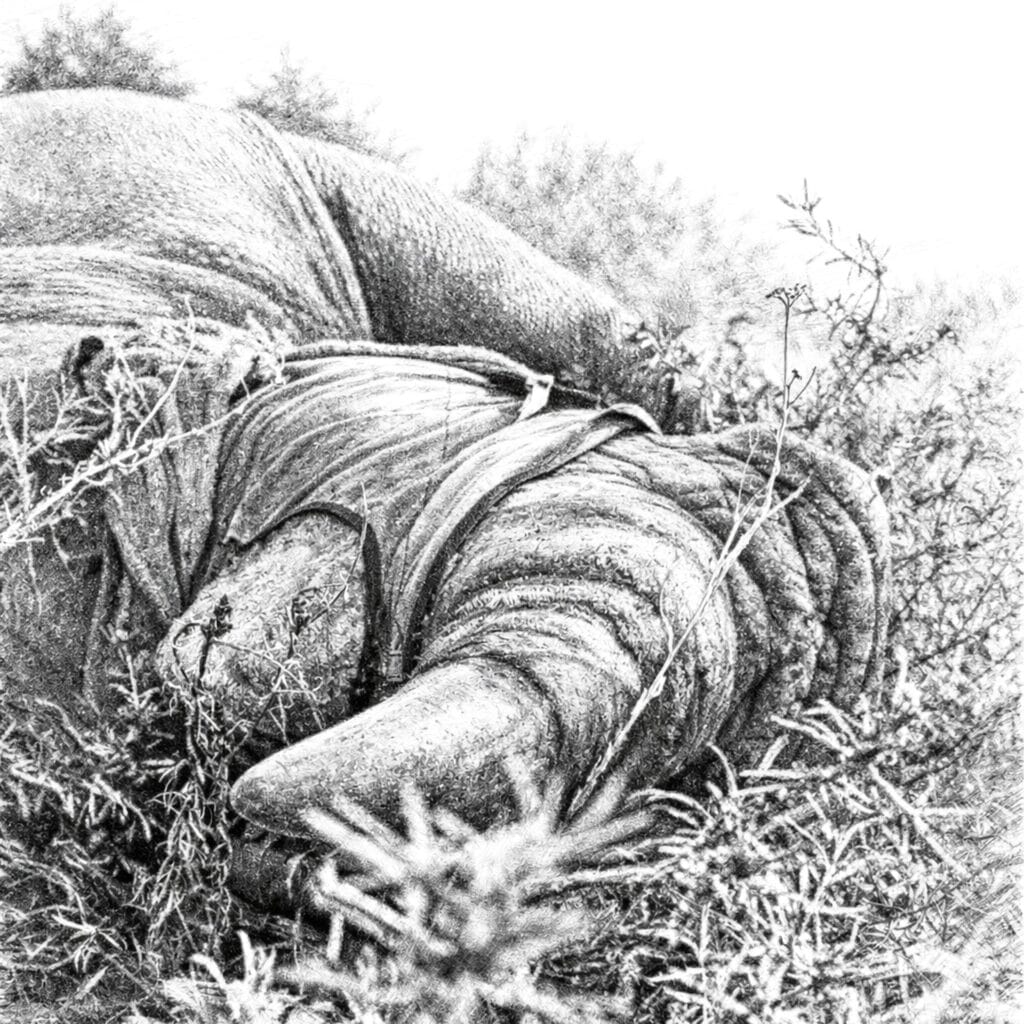
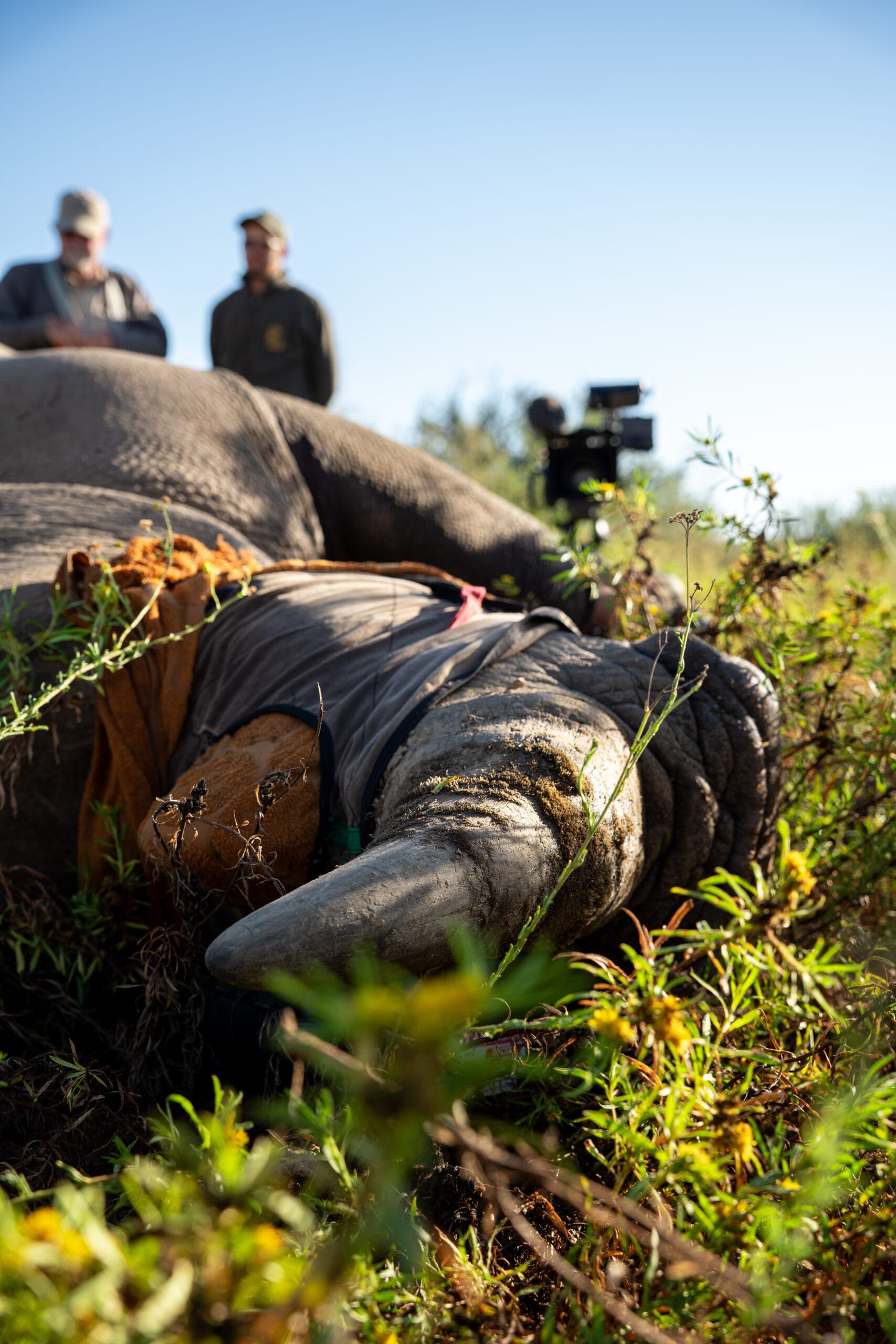
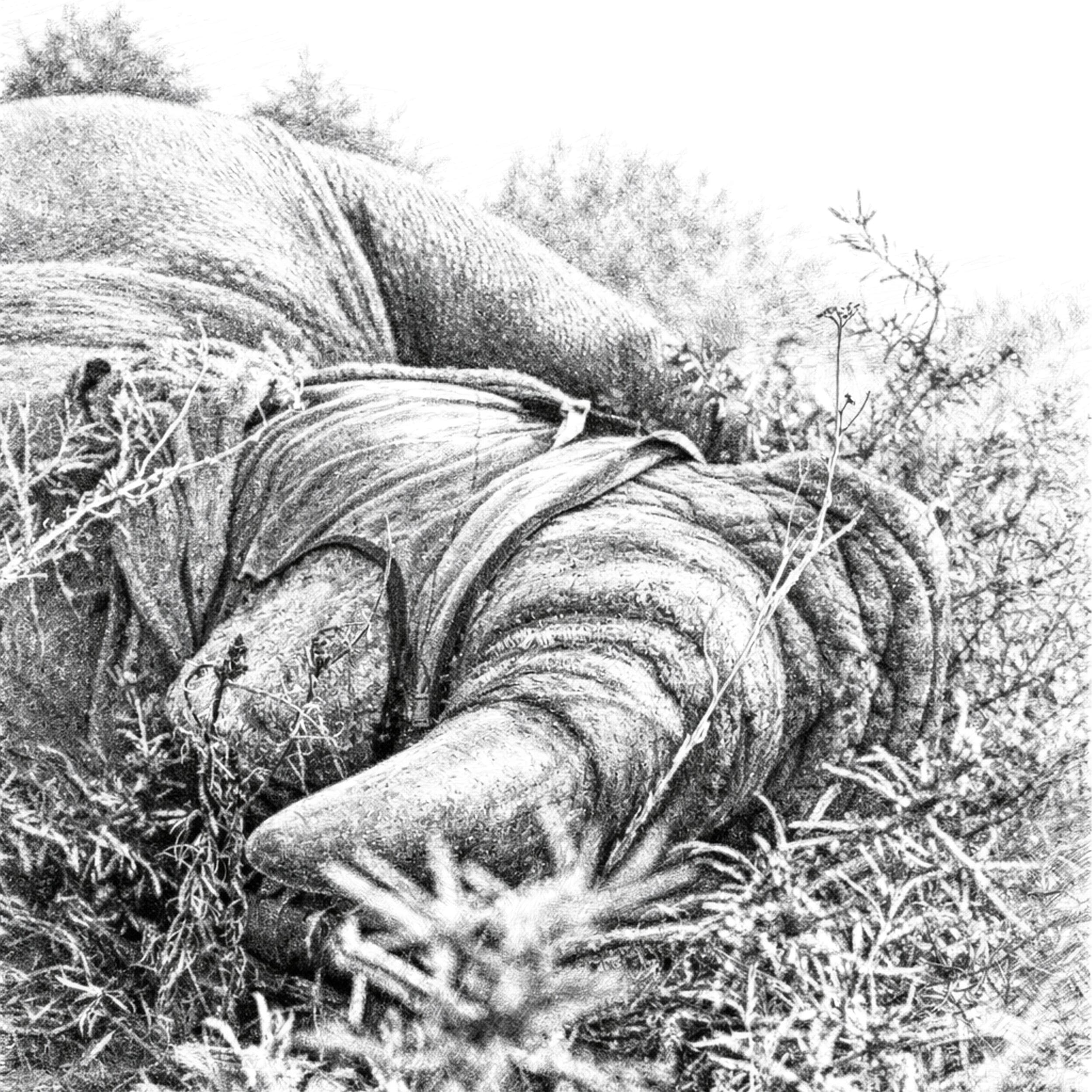
She heaves a breath, her sheer mass weighs her down and makes breathing under a tranquilizer a great labor. Thick legs twitch and tremble under the stress. Putting a hand to her side is both in reverence and feels deeply conflicting. This kind of wild should not be touched.
She lies in the sweet smelling grass, whiffs of the bushman tea crushed under her weight trickle over the light hot wind, licorice and lavender. The smell of Namibia is deep, soulful, and pulsing.
She is blindfolded, drug from the dart in her back keeping her immobile, for her safety and ours.
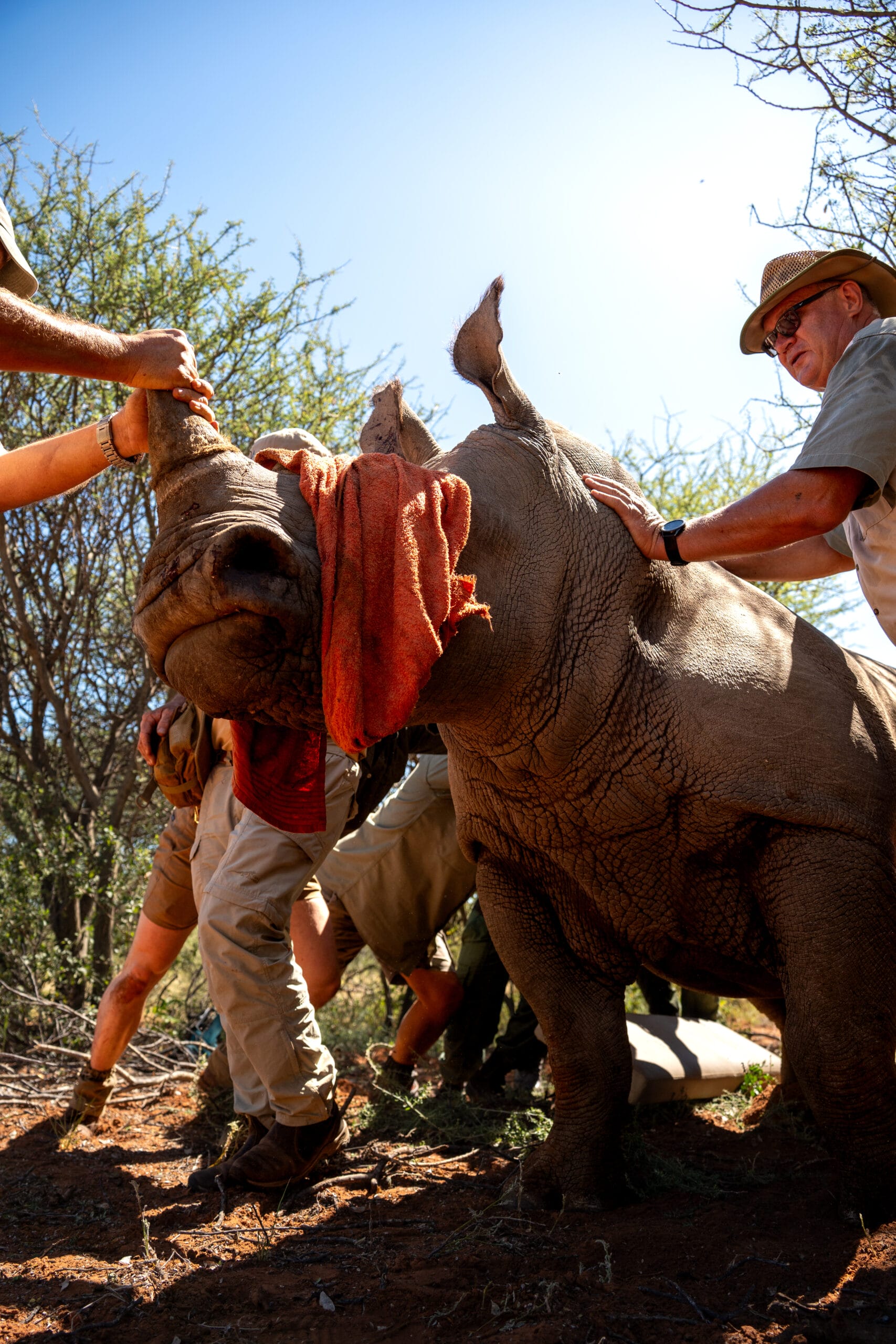
We work around her. Low voices and quick as possible. You can feel the stress. Blood samples, tissue samples, tail hair, ear notchs, microchips, rhinovax, and a leg collar. It is invasive and brutal. Measures against poaching for the keratin horn on her face. It is over in less than 10 minutes.
For some of these rhinos the confusion is not over. A huge two trailer truck with a mounted crane rumbles and clanks into the veld. An invasion into habitat.
We reverse the drug partway, get her huge body into a safe half sitting position, eyes still covered. And with a short burst from a cattle prod and many hands asisting she stands. Unsteady but upright. Guided by bodies on either side she is walked to the crate. Metal doors clanging closed with lock bars and pins. The sound is all too human and final.
The crate is hoisted into the air, anchored to the truck with heavy chains and transported long hours by dusty dirt road. The drug is fully reversed, doors thrown wide and she steps into the heat and sun of her new ground. Watched by those of us standing atop the crates.
Forever remembering the terrifying sound of the helicopter and the invasive hands of humanity, she leaves our view.
We stand still. Some quiet, some talking lowly. Relief at seeing healthy rhinos step from their crates is palpable….but there is something else hanging in the air. The pregnant pause of something un namable. Half way between hope and a deeply conflicted regret. I am left melancholy, wondering how on earth that horn is worth more separated from her than part of her and this place.
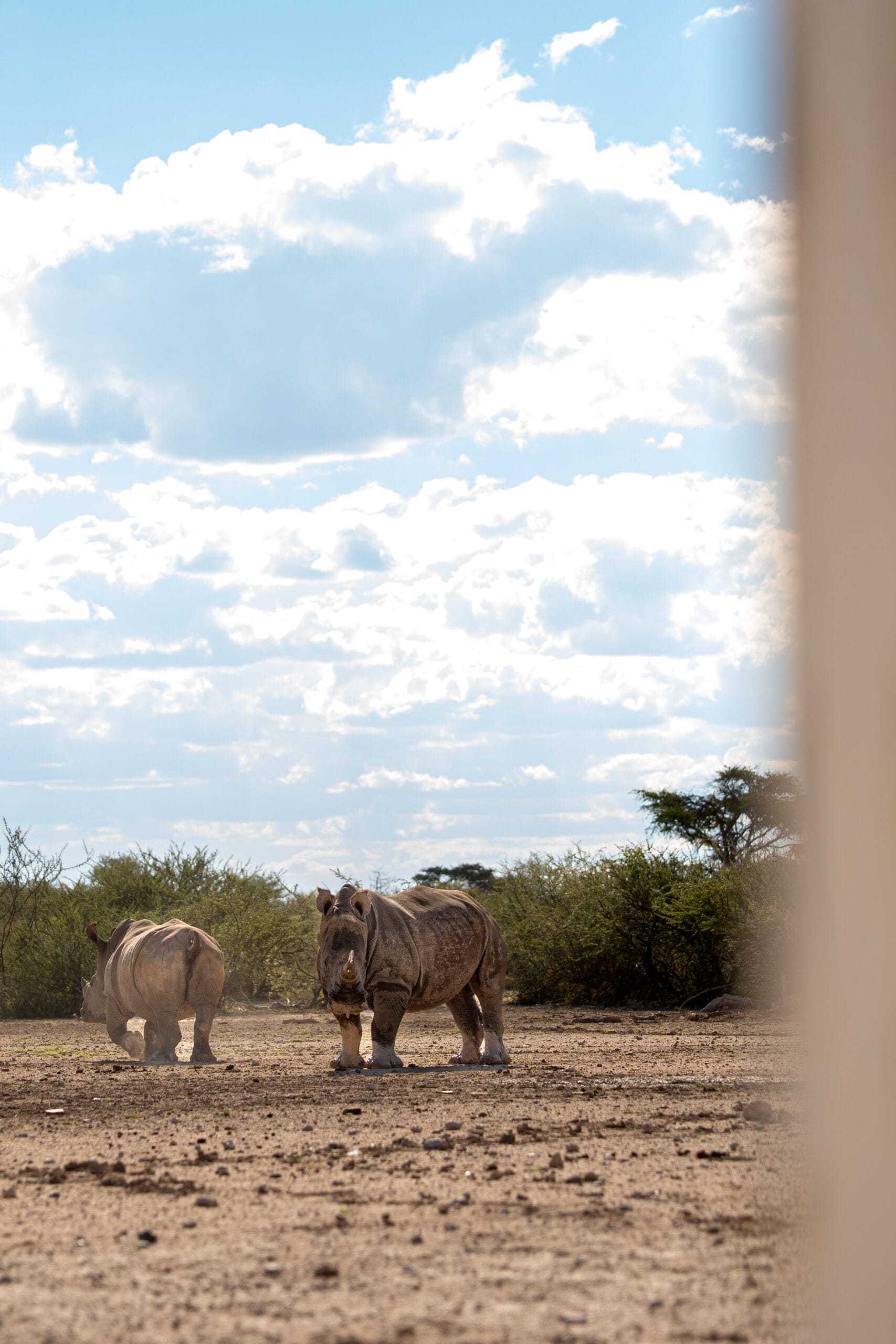
It is clear now, these rhinos are not untouched, they bear the unmistakable marks of capture. A visible reminder that we have stolen something wild from them in exchange for their safety and continued existence.
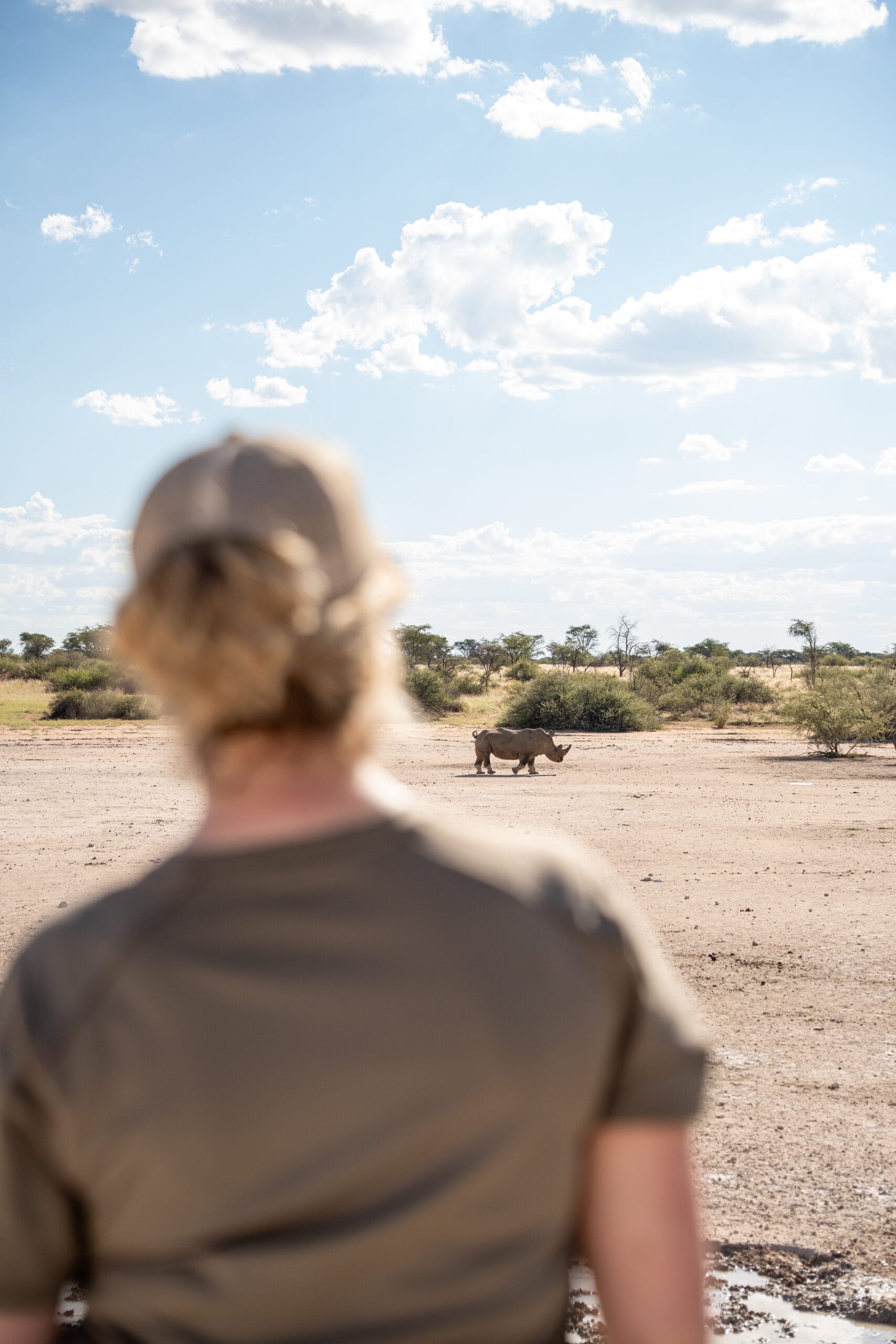
We stand in the last blasting heat of the day as the rhinos leave our view and I ask myself… “is this worth it?”
Somewhere over the savanna a spurfowl chucks and breaks my reverie.
As I say goodbye to the wide open Namibian sky I am changed by the feel of rhino breath on my hands and its soft and rugged hide under my palm. A topographical history of this country written in prehistoric skin and blood, and I think to myself “Yes, today…this was worth it”.
Because Namibia would cease to exist in its ancient alchemy of desert savanna, red dirt, and camel thorns the very second the last rhino takes its breath. To lose this place is to lose a piece of the world that is precious, important, and needed.
And to save that, we should do it all.
We should shoulder the emotional labor of conservation alongside of the immense financial need to keep these beings safe. We should understand the hard decisions, the connections to life and death, the unsavory choices and the effort. We should constantly be asking ourselves if what we are doing is right and adjusting to the circumstances when the answer is no. Life is brutal and big, magic and real and we need to remember that hunting is the vital and necessary human connection to that.
To the young cow rhino wandering the red dirt somewhere in central Namibia… I hope you never think of me again, I hope this was one bad day in a long life of freedom.
But to me, you will remain tucked into my heart for the rest of my life. Reminding me that the work we do is serious, important, and should not be necessary but for the folly of man.