Dr. Robert Kröger, Executive Director and Founder, The Origins Foundation
The North American Wildlife Model stands as a testament to what can be achieved when a society chooses to prioritize its natural heritage. Rooted in the principle that wildlife is held in trust for the public, this doctrine has shaped conservation efforts across the continent for over a century. Unlike private or exclusive ownership models seen elsewhere, it ensures that the benefits of thriving wildlife populations are accessible to all, regardless of wealth or status. This public doctrine is at the heart of the model’s enduring success, fostering a sense of shared responsibility and stewardship that has empowered communities and governments alike.
The enactment of the Pittman-Robertson Act in 1937 and the Dingell-Johnson Act in 1950 marked pivotal moments for wildlife conservation in the United States. These landmark pieces of legislation established dedicated funding streams for state-level conservation efforts by directing excise taxes on hunting equipment, firearms, and fishing tackle specifically toward wildlife and fish restoration projects. Importantly, both acts amplified the sportsman’s voice in conservation, providing hunters and anglers with a direct role in shaping the future of America’s natural resources. There is no other user group in the United States directly contributing to wildlife conservation. By creating sustainable, user-based funding mechanisms above and beyond general public taxation, these laws not only empowered states to manage their own wildlife resources but also set a precedent for active, grassroots stewardship that continues to benefit wildlife and habitats today.
Since the turn of the 20th century, the impact of this approach has been nothing short of transformative. Species that once teetered on the brink of extinction—such as white-tailed deer, wild turkeys, and elk—have rebounded in astonishing numbers. These recoveries were not accidental; they were the direct result of a coordinated vision that placed sustainable management, science, and public engagement at its core. Through regulated hunting, habitat restoration, and strict enforcement of wildlife laws, populations have flourished, turning North America into a global example of successful conservation.
One of the most notable wildlife conservation success stories in the United States is the resurgence of the wild turkey. By the early 1900s, wild turkey populations had dwindled to fewer than 30,000 birds nationwide due to unregulated overhunting and habitat loss. Through targeted management efforts, including habitat restoration, regulated hunting, and strategic relocation programs, wild turkeys now number over seven million across North America. A particularly striking example is the recovery of Gould’s turkey in Arizona, where concerted actions by state agencies and local stakeholders have brought this rare subspecies back from the brink. Today, Gould’s turkeys are thriving in the sky islands of southeastern Arizona, a testament to collaborative conservation and adaptive management.
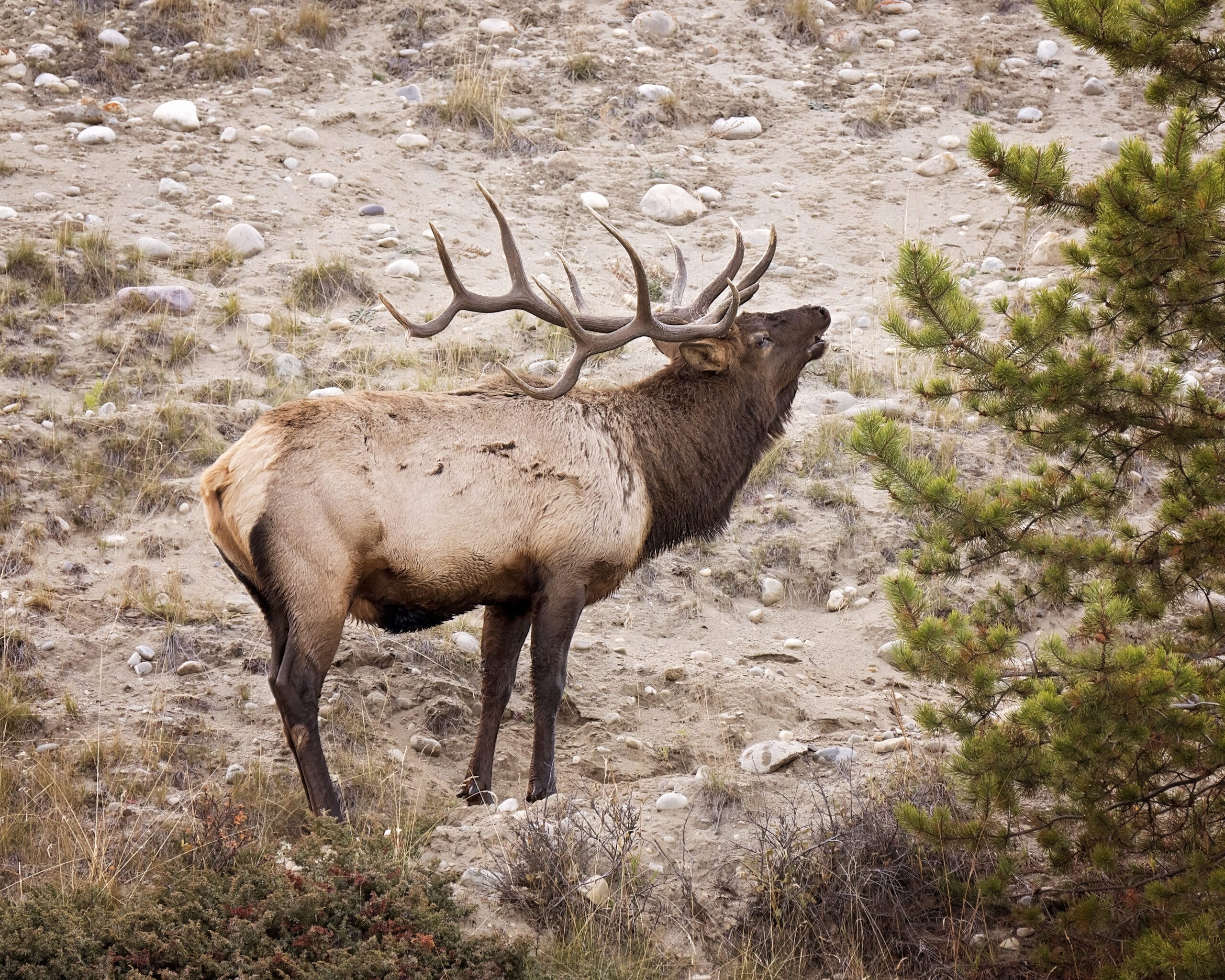
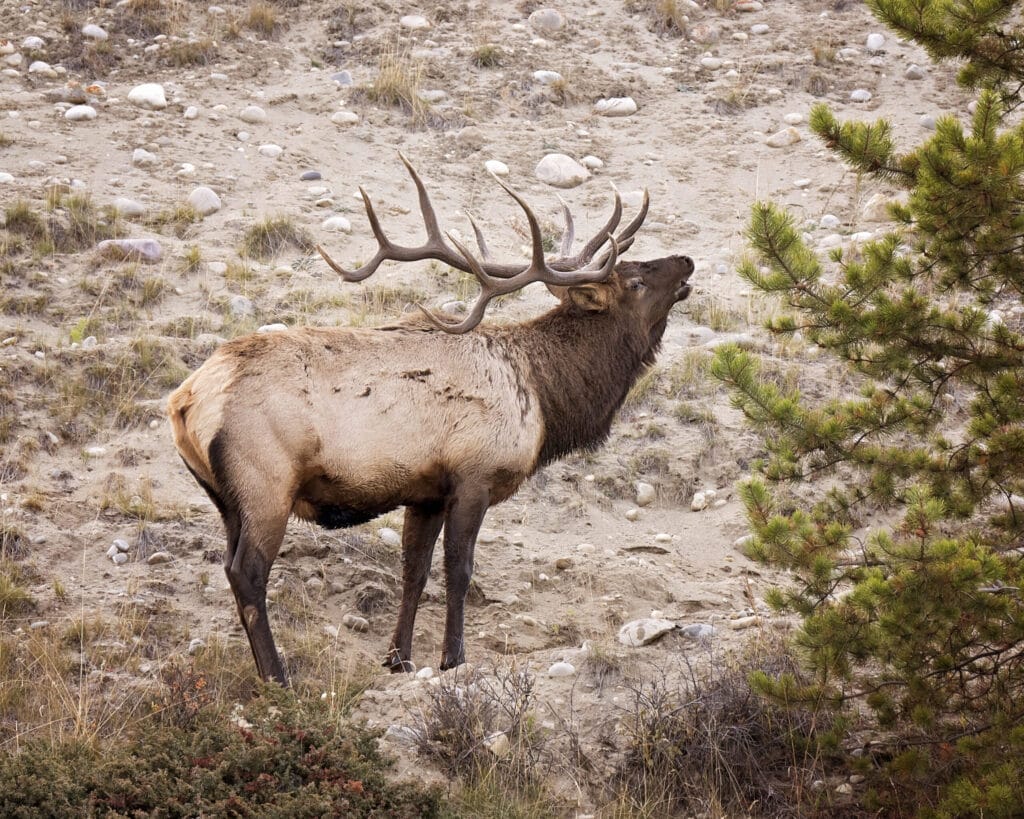
Elk populations have similarly rebounded due to science-based conservation and active stewardship. Once nearly extirpated from much of their historic range, elk numbers in the United States have grown from fewer than 50,000 in the early 20th century to well over one million today. Restoration projects have been especially impactful in eastern states: Kentucky, for example, began reintroducing elk in 1997, and now boasts a population exceeding 13,000. Virginia’s elk herd, reestablished in 2012, has grown steadily and continues to expand. These successes represent not only a triumph of wildlife management but also the return of iconic species to landscapes where they had been absent for generations, enriching local ecosystems and communities alike.
However, it’s important to recognize that no single model is universally “the best.” The North American Wildlife Model’s achievements are remarkable, but they exist alongside other effective frameworks, such as the South African model, where community and private involvement in wildlife management have also led to thriving ecosystems. Both demonstrate that when wildlife is put first—through public trust, sustainable practices, and active stewardship—it can recover and prosper.
On the global stage there is no one-size-fits-all solution to wildlife conservation. However, the North American Wildlife Model has shown how public doctrine, inclusivity, and science-driven management can bring about incredible change in wildlife populations. Its legacy highlights that when conservation is rooted in a public domain, wildlife and people both win.