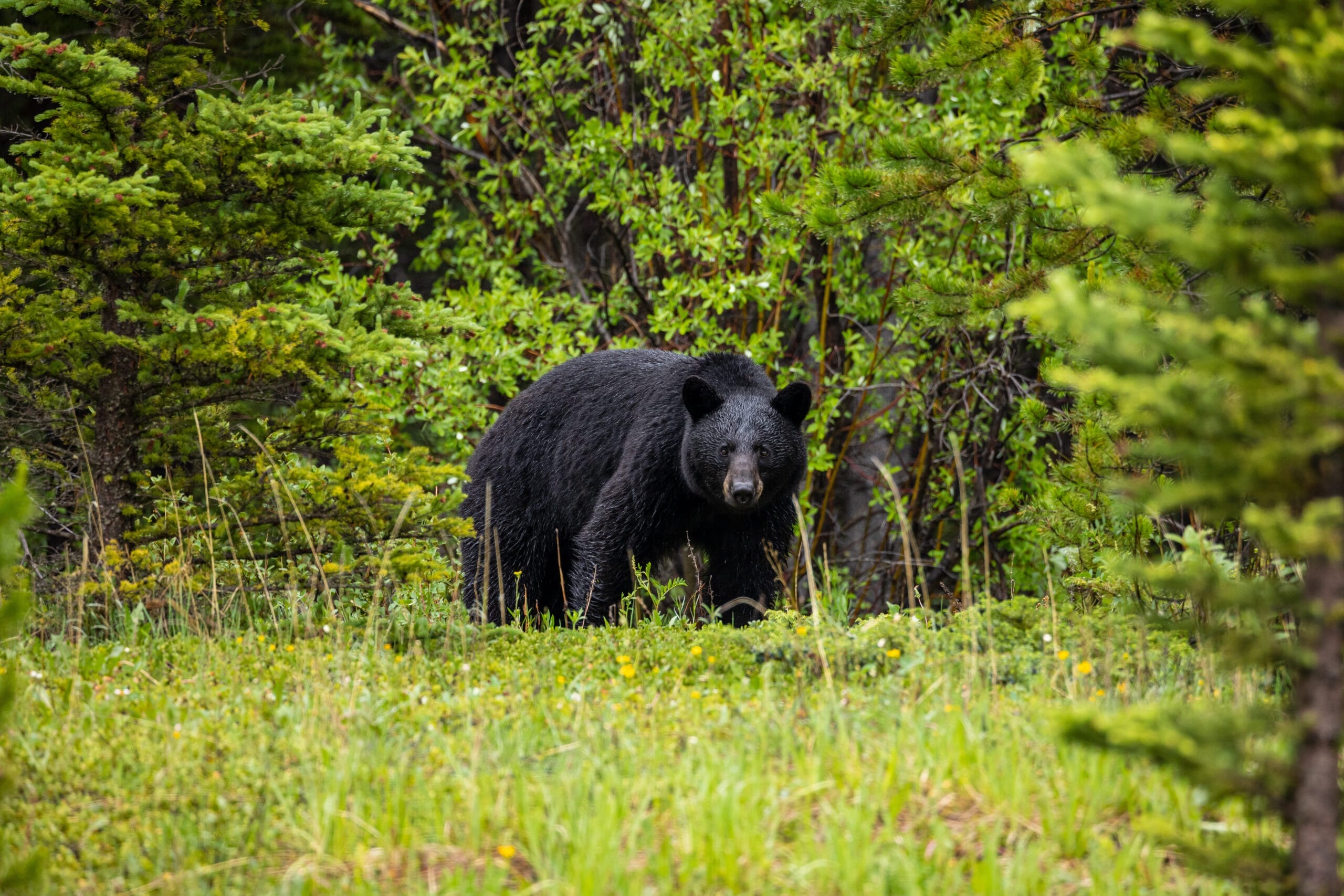
The article New Provincial Hunting Regulations Spark Backlash from Wildlife Experts published in the Canmore edition of the Rocky Mountain Outlook digital news highlights the interest of groups like Exposed Wildlife Conservancy, Alberta Wilderness Association, and photographers such as John Marriott in wildlife management regulations. However, misinformation about hunting persists, particularly concerning hound-hunting black bears, which I will address here.
Let’s be clear: the regulation change permitting the use of hounds to hunt black bears has been publicly known for quite some time. There’s nothing quiet or secretive about it. The people that are most knowledgeable about this subject had the opportunity to help shape the regulations. Importantly, this change applies only within Caribou Conservation Areas (CCAs), where the goal is to support caribou recovery efforts.
On Ethics
Hunting with hounds is not unethical. Ethical hunting operates on three levels:
- Legal norms — what society enshrines in law.
- Peer standards — what is accepted within the hunting community.
- Personal ethics — what the individual hunter believes is right.
When all three align—as they do here—hunting black bears with hounds is ethical. Full stop.
On Science
Calling this practice unscientific is simply wrong. In fact, selective black bear hunting is a proven tool in wildlife management. For a deeper dive, listen to the Hunter Conservationist Podcast Episode 148 with Dr. Seth Moore from the Grand Portage Band, where he discusses how targeted bear removal benefited large ungulate populations.
On Expertise
The individuals quoted in this article may be experts in their respective fields, but they are not experts in hunting, black bears, or hound use. Their opinion on this matter carries no more weight than that of any non-hunter unfamiliar with the practice.
On Experience
In British Columbia, where grizzly bear hunting was once legal, black bear hunting with hounds was also permitted. Southern BC—my home—has the highest concentration of houndsmen in the province and some of the densest grizzly populations. These hunters and their dogs are highly skilled. They are responsible, practiced, and safe. Claims about potential impacts made by individuals without experience in this area do not necessarily mean those impacts will occur.
On Conservation
Houndsmen in Alberta will play a vital role in caribou recovery by reducing black bear predation on calves in CCAs. This is a win for conservation—hunters doing the work at no cost to taxpayers, using regulated, ethical, and effective methods.
In Closing,
It’s important to approach wildlife management and hunting regulations with open-mindedness, respect for differing viewpoints, and a commitment to evidence-based practices. Alberta’s decision to permit hound-hunting for black bears in specific conservation areas reflects a collaborative effort between experts in many disciplines, all working toward a shared goal of supporting caribou recovery and the health of Alberta’s ecosystems. Let’s continue to engage in respectful dialogue, learn from one another, and celebrate the collective dedication to preserving Alberta’s wildlife for generations to come.
Photo credit © hecke71 / Adobe Stock