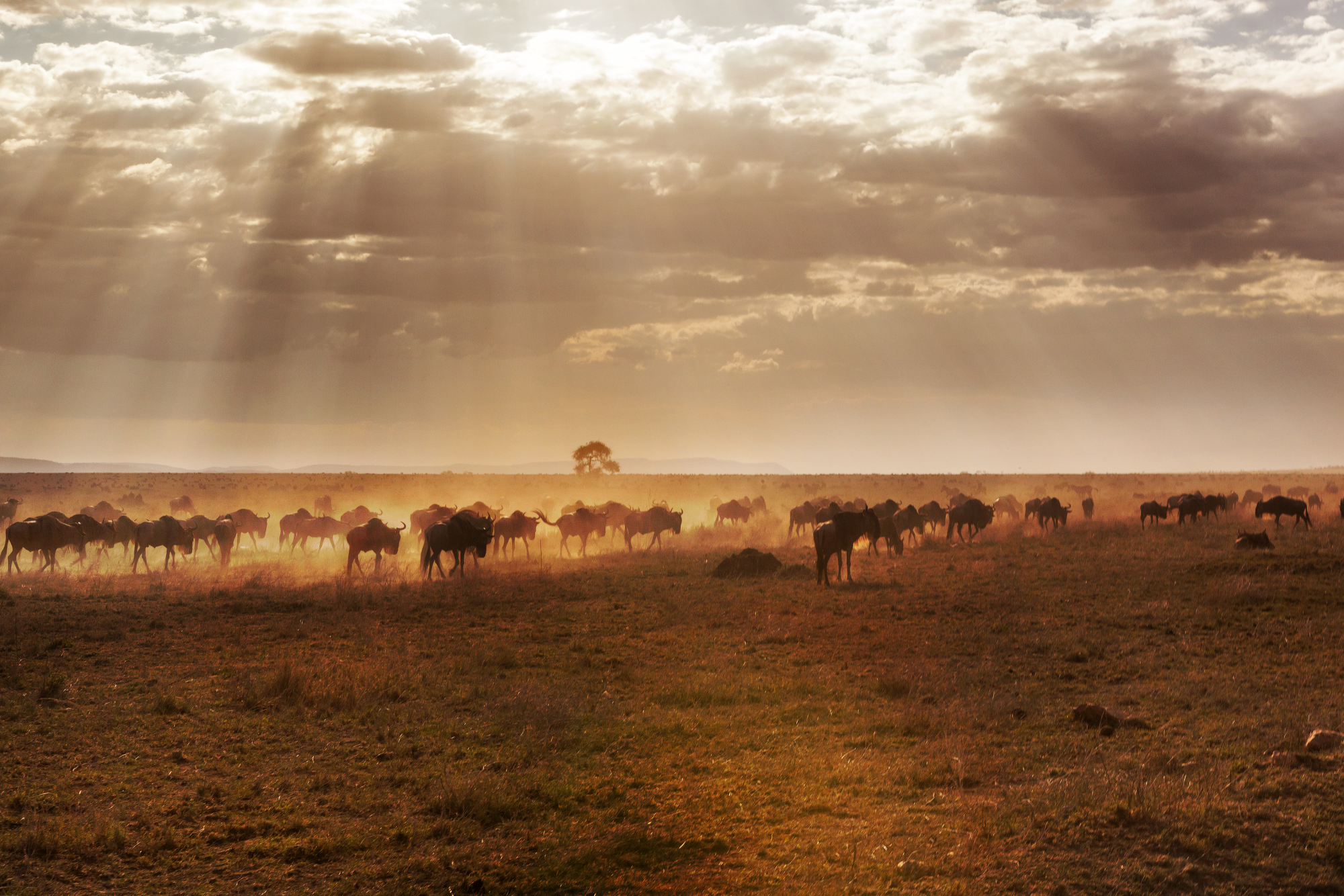
Human health was shaped over hundreds of thousands of years in wild, natural environments — environments where we moved constantly, breathed clean air, slept in tune with natural light, and only experienced short bursts of stress when facing real, physical danger. A new analysis by evolutionary anthropologists Colin Shaw and Daniel Longman shows that modern industrialized living has rapidly replaced those conditions with something our biology is not prepared for: noise pollution, artificial lighting, microplastics, toxic chemicals, processed food, and persistent psychological stress from work, traffic, technology, and social media.
This dramatic environmental shift — happening in only a few generations — has created what researchers call an “evolutionary mismatch.” Our physiology still reacts as though every stressful moment is a predator attack, triggering powerful stress responses without ever getting the recovery time nature once provided. The result is widespread chronic stress, declining mental health, and rising autoimmune and inflammatory diseases.
The researchers highlight declining fertility — especially dropping sperm counts — as a major warning sign that human evolutionary fitness is being negatively impacted by modern environments. While wealth, comfort, and medical advances have increased survival, our long-term physical, reproductive, and cognitive health appears to be suffering.
Because biological evolution cannot adapt quickly enough — taking thousands of years — communities must make intentional changes now. The authors recommend reconnecting people with nature through conservation, smarter city planning, reduced pollution, and designing environments that encourage natural movement, sunlight, and rest.
Their message is clear: protecting nature isn’t just about saving wildlife. It’s about restoring the environments humans evolved to depend on. To protect future generations, we must rebuild the profound relationship between human health and the natural world — a relationship that has sustained us since the beginning of our story.