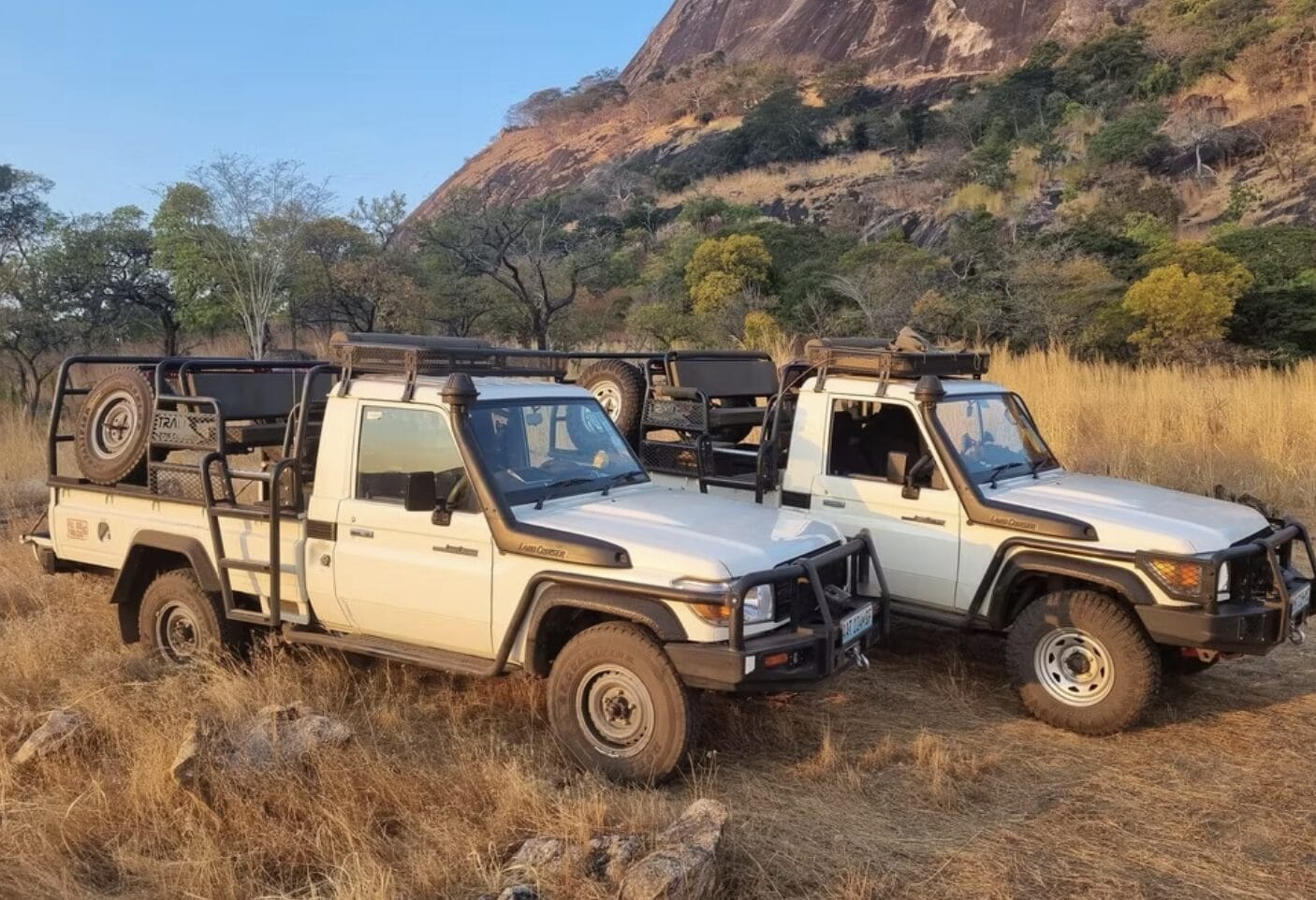
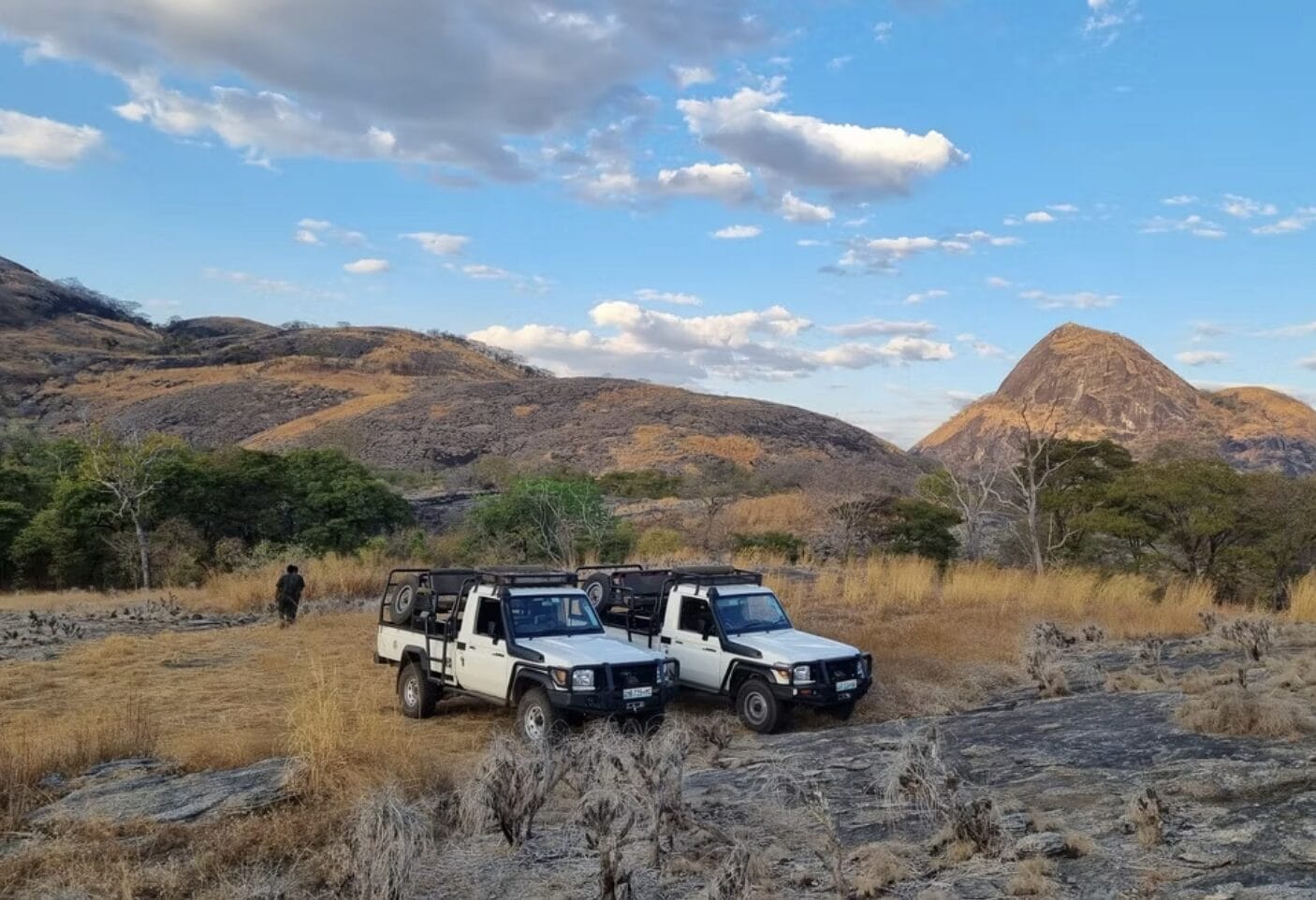
THE ORIGINS FOUNDATION X Mashambanzou Safaris
Location: Mozambique
20 years as an active outfitter!
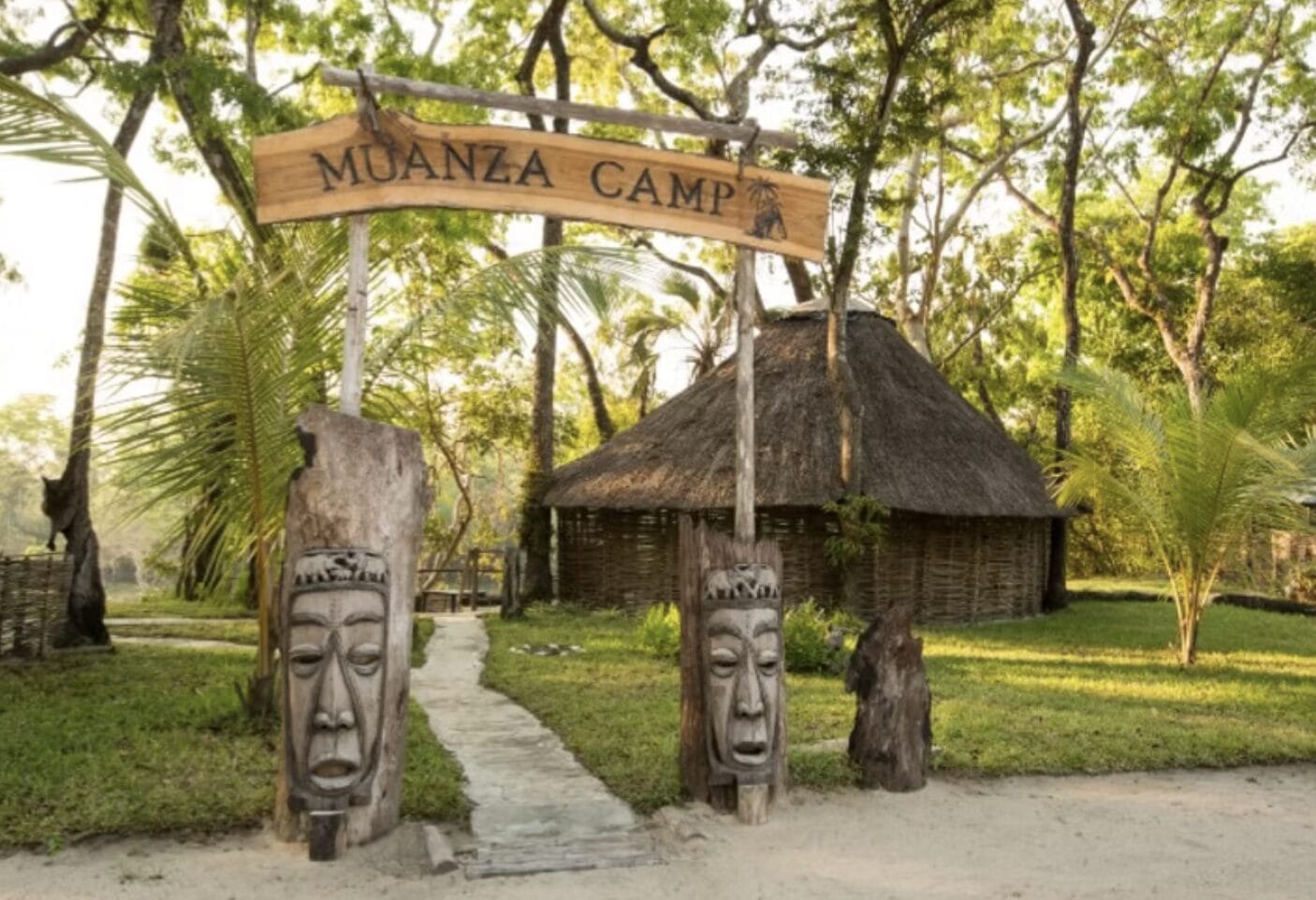
Mashambanzou Safaris, established in 2005, offers access to over 1.5 million hectares of unfenced wilderness across diverse habitats, with well-maintained safari camps.
To learn more about Mashambanzou Safaris, visit below:
Mashambanzou Safaris
Mashambanzou Safaris
4
3 current research priorities: camera traps, carnivore surveillance, and SMART/Earth Ranger technology. 1 future research priority: accurate wildlife and predator census
leopard population analysis survey
“We take science-based management seriously — heavy fines for underage animals or soft-bossed buffalo keep everyone accountable and protect the long-term health of the population.”
Anti-Poaching
active anti-poaching operations with no government involvement. All privately funded with an estimated cost of $750,000 per year and 96 game scouts
28
huntable species excluding birds
Population Status
Overpopulation: biggest issue is the carrying capacity exceeding the available quota
Underpopulation: hippo and elephant – poaching driving numbers down, sustainable use – quotas, trophy age, philosophy, and hunting season
1,110,000 HA
total wildlife areas sustainably managed over 23 years
$10MIL
of initial investment, with $350-400K of annual investments for infrastructure
2-3
year delay to operation
X10
measured ecological improvement
3
stakeholder categories with active collaboration from Niassa Carnivore Alliance, Flying Doctors, and ANAC
328
people employed
X6
1968 indirect livelihoods supported
6
villages engaged
Additional Skills Provided:
annual ranger, chef, driving, and mechanical training
Education and Schools
4 classrooms built, desk building program, school based donations
Community Development
2 medical clinics. 6 handpumps/boreholes. 5/6 maize grinding milling machines
Meat Contributions
16 tons distributed between areas. L2 – 5.4 tons, R4 – 8.6 tons, an additional 2 tons to all other areas
Ethos
“We are passionate about wildlife and the lands we manage. We work hand-in-hand with communities because we see a long-term future here — we are in it for the long haul.”