THE ORIGINS FOUNDATION X Chapungu Kambako Safaris
Location: Southern Africa: including Botswana, Mozambique, South Africa and Zimbabwe
Our first and foremost responsibility is towards our natural resources. We base our business on the principle of “conservation through sustainable utilization”.
To learn more about Chapungu Kambako Safaris, visit below:
Chapungu Kambako Safaris
Chapungu Kambako Safaris
Chapungu Kambako Safaris does more than just hunt.
To find out their impact, click the various bullet points below:
Current Research & Projects
Rhino genetic and bloodwork programs in South Africa, free-range lion monitoring in Kalahari Oryx (verified by USFWS), and carnivore research through the Niassa Carnivore Project in Mozambique, alongside ongoing collaboration with wildlife managers and conservation partners.
Future Research & Challenges
Leopard survey initiatives in Mozambique with SCIF are currently blocked by ANAC due to lack of government revenue participation, while broader research expansion across Zimbabwe and Botswana remains pending.
Wildlife Monitoring
Annual aerial helicopter censuses in South Africa, camera grid systems (61 cameras across 14,800 hectares), and large-scale aerial counts in Niassa, with growing interest in drone and thermal imaging to improve accuracy in dense or remote areas.
Quota Oversight & Gaps
Quotas often misaligned with ecological data—e.g., Mozambique leopard quotas exceed scientific recommendations (42 issued vs. 28 advised), while elephant quotas in Zimbabwe and Botswana are considered unsustainable due to overharvesting of large trophy bulls.
Data & Governance
Government involvement in data usage is confirmed but lacks transparency across regions; quota-setting processes vary annually and may not consistently reflect scientific modeling or carrying capacity.
Management Ethos
Science-based management is supported in principle, provided implementation is transparent, applied correctly, and aligned with long-term ecological sustainability.
Anti-Poaching & Protection
Primarily privately funded operations, including rhino security in South Africa, 61-camera surveillance across ~15,000 ha at Nyara, 8 scouts with aerial support, and 21 personnel in Mozambique, with limited government involvement.
Wildlife Management & Populations
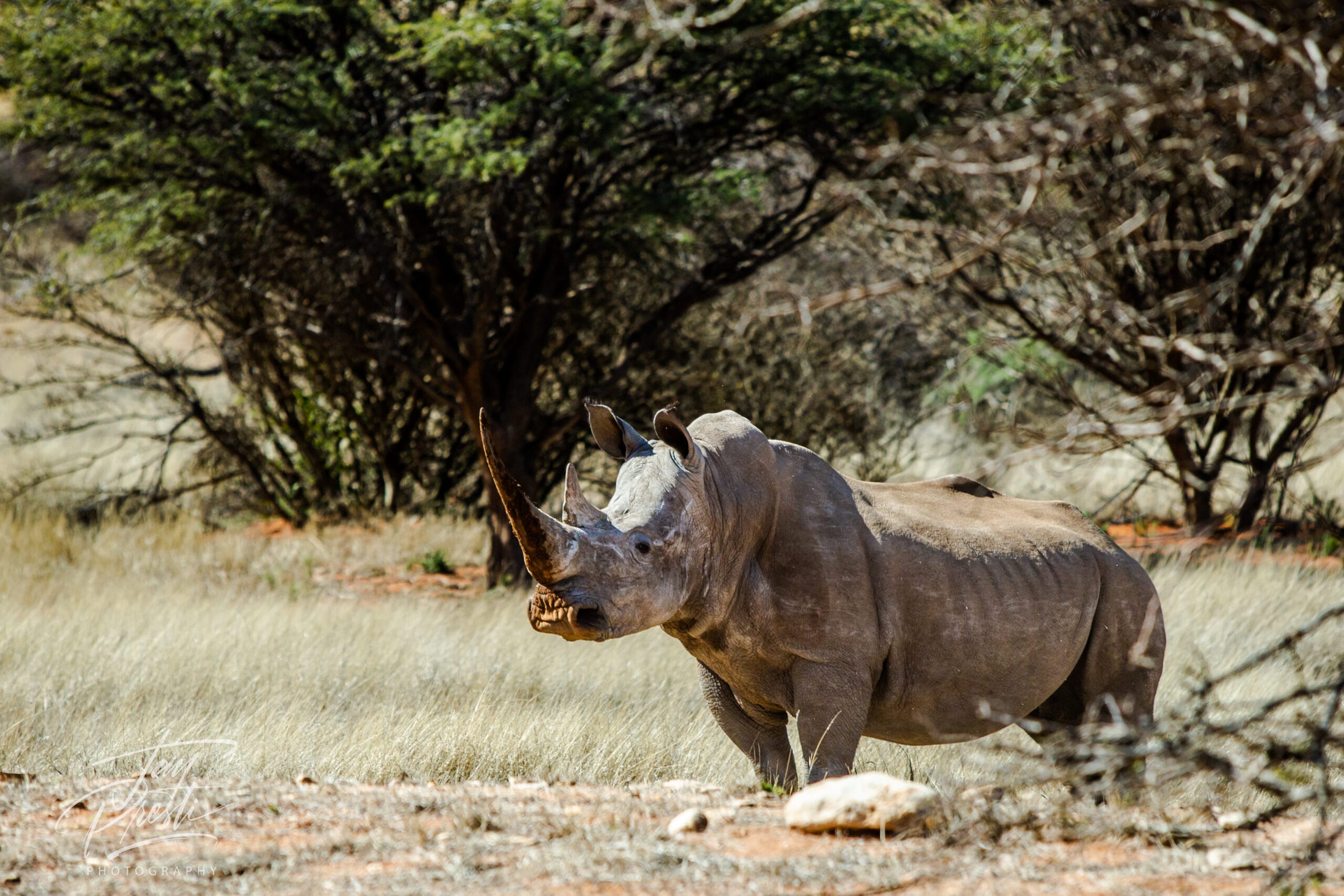
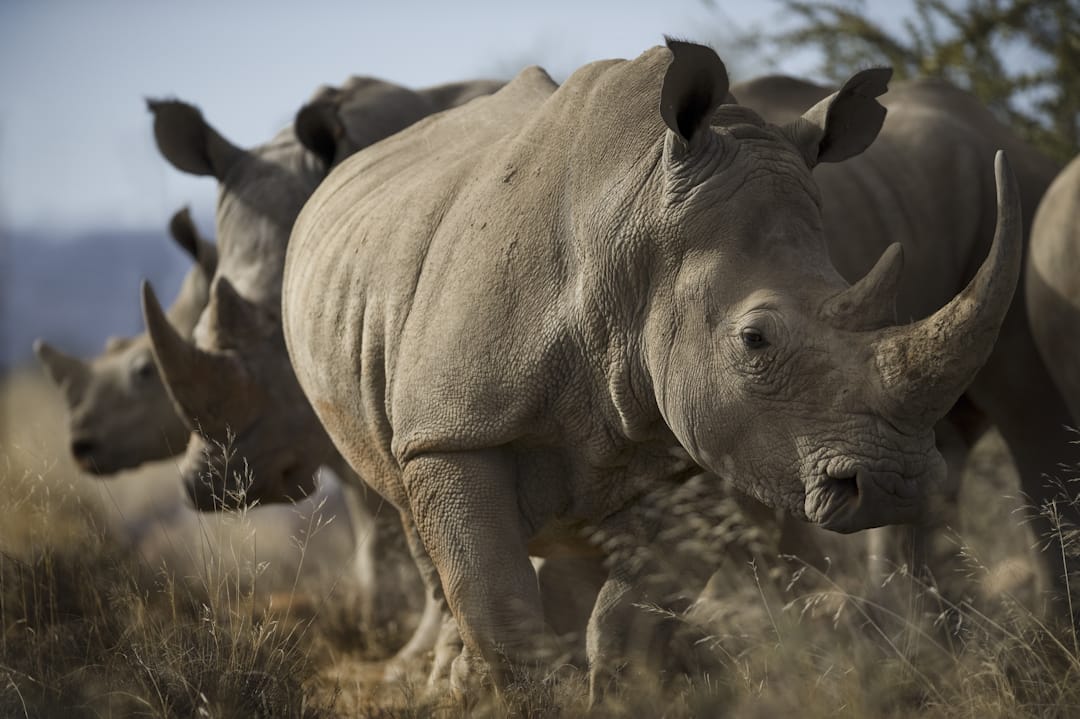
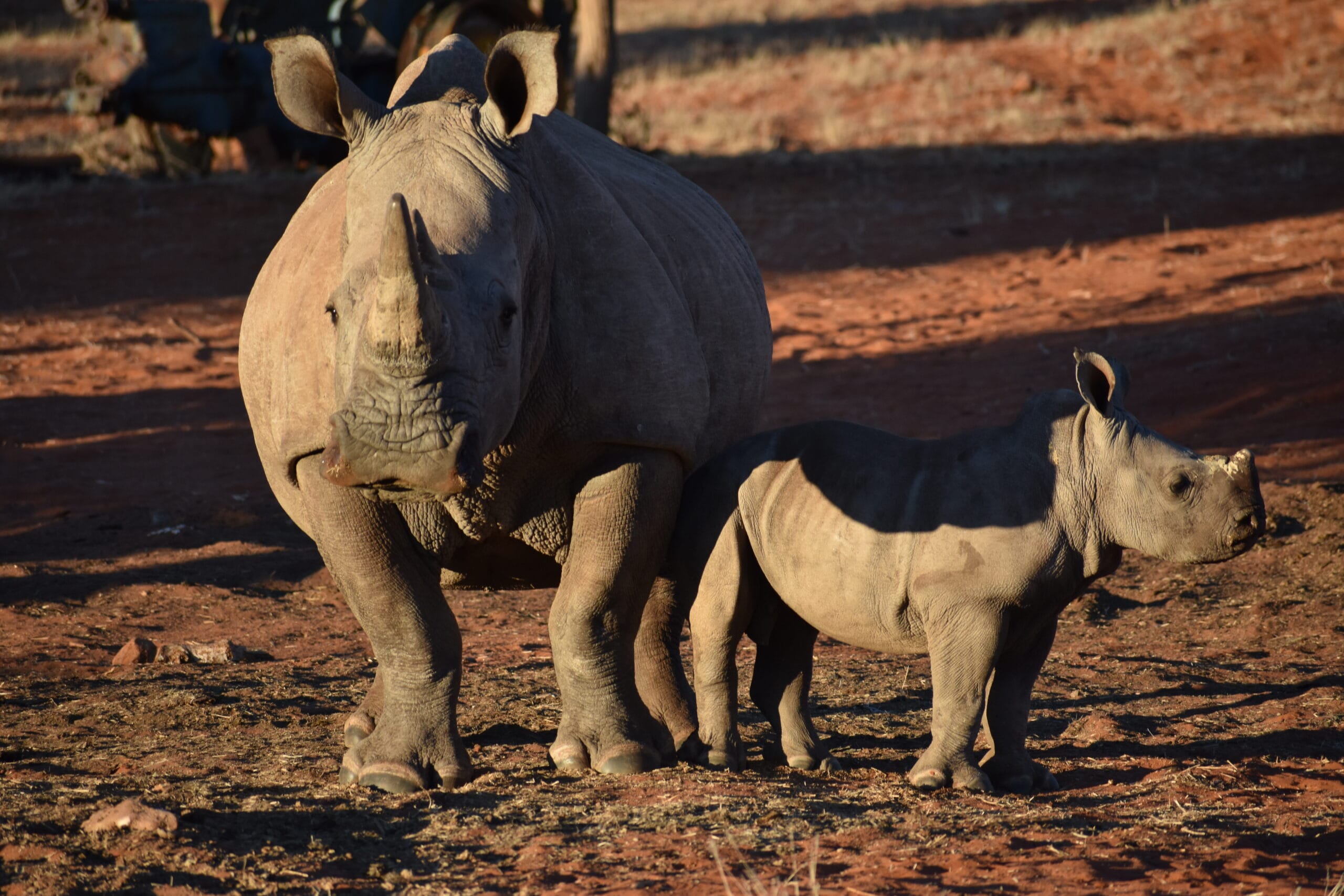
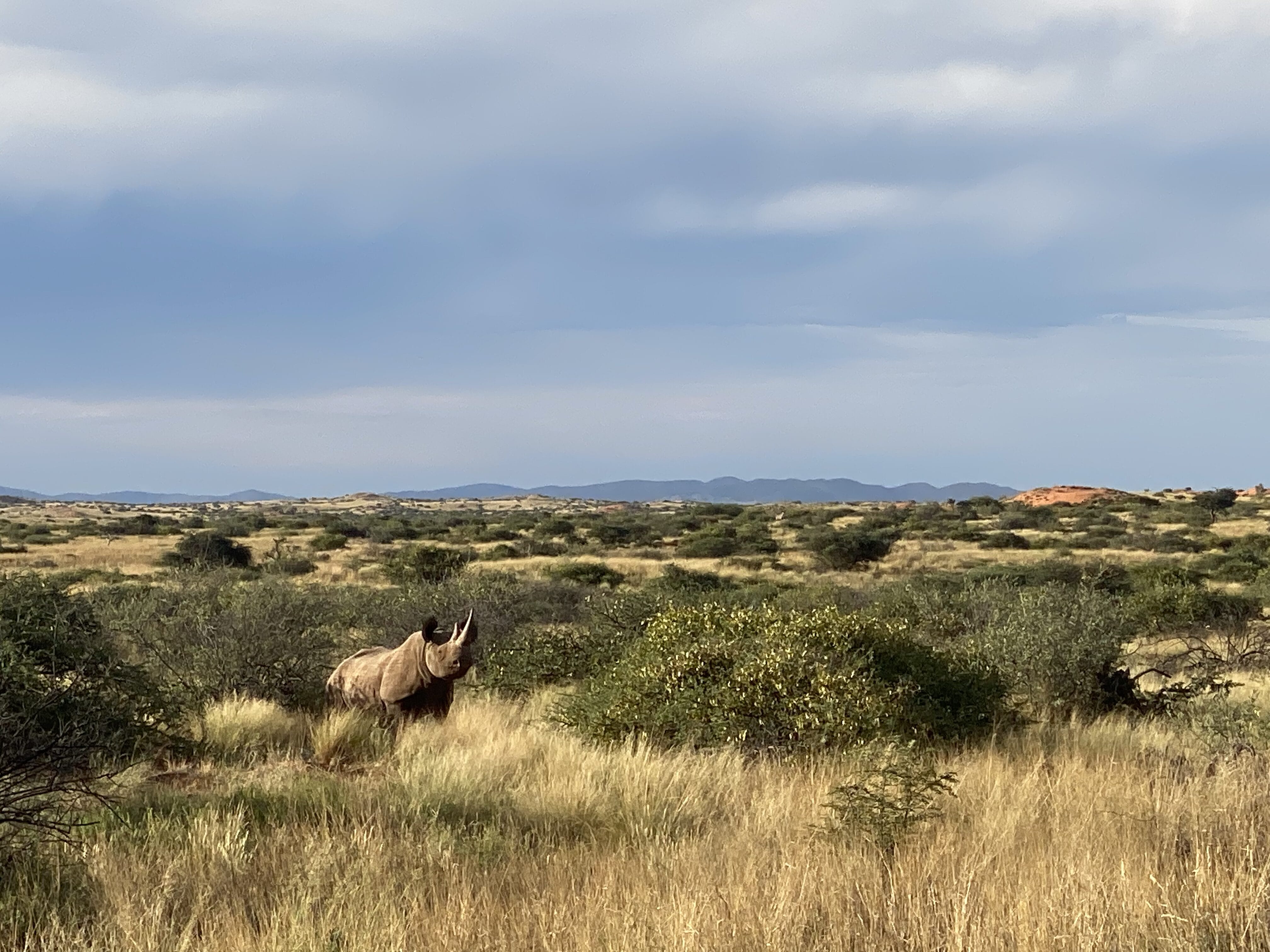
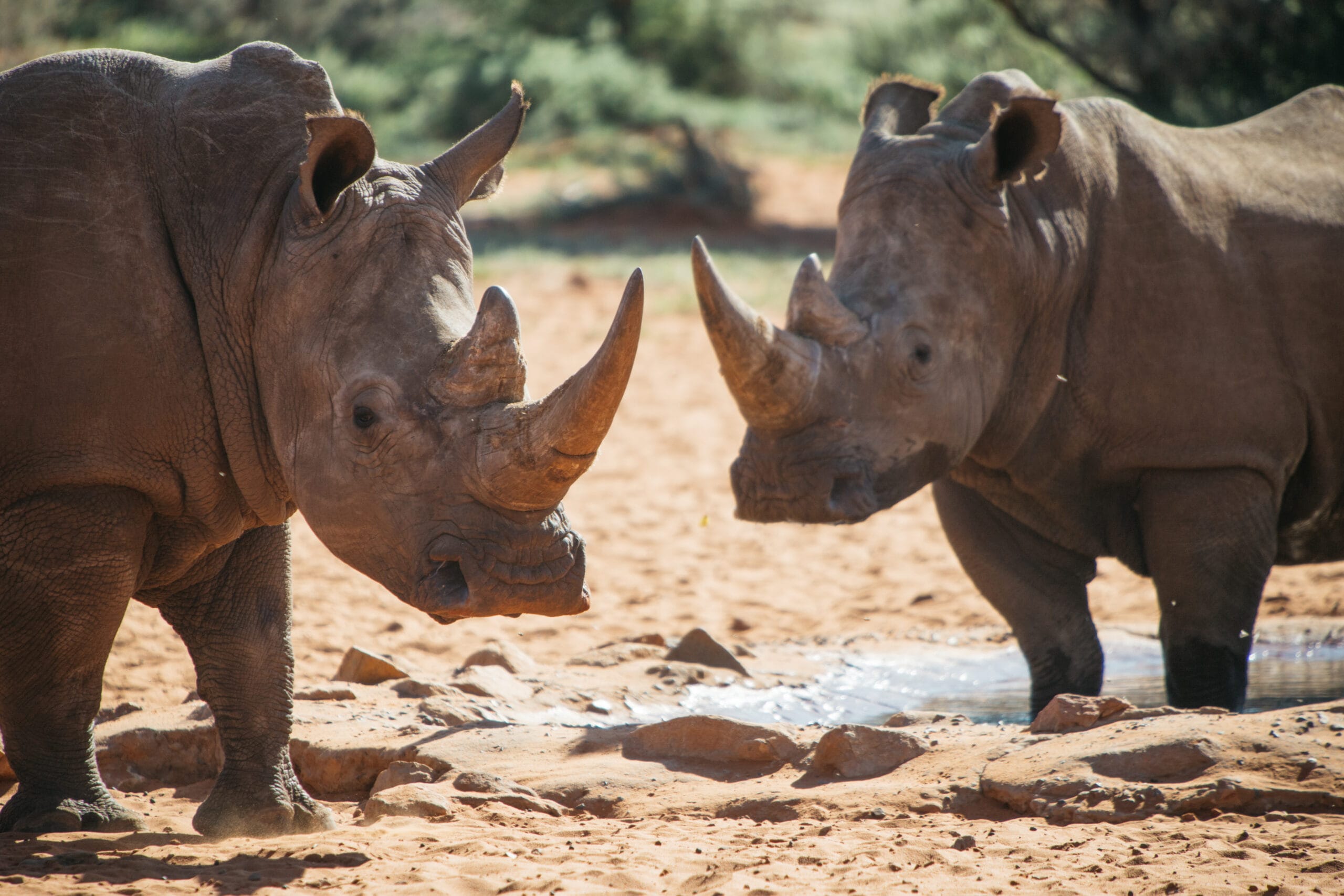
Mostly naturally regulated populations across Mozambique, Zimbabwe, and Botswana, with targeted intervention in South Africa (e.g., rhino relocation), and noted overpopulation of elephants (Zimbabwe/Botswana) and pressure on leopard populations.
Hunting Framework
Seasonal hunting across regions—South Africa (March–October), Mozambique (April–November), Zimbabwe (May–October), and Botswana (April–September/October)—with a revenue model based on delayed returns of 2–3 years, limiting rapid reinvestment.
Conservation Approach
Long-term sustainability driven by collaboration with authorities, investment in anti-poaching and aerial support, habitat and fire management, scientific monitoring, and implementation of stricter-than-required hunting protocols.
6+ mil acres
Owned/leased across 4 countries
$30m+
Invested in conservation and community development
25+
Years of management
700
people employed
X7.5
Over 5000 indirect livelihoods impacted
400+
Students supported with classrooms, desks, Starlink, and more
100%
Meat distribution to communities
$400k
of direct economic impact
Ethos
Our first and foremost responsibility is towards our natural resources. We base our business on the principle of “conservation through sustainable utilization”. We ensure that all our hunts are conducted on legal, fair and ethical standards and that each safari contributes to the area’s overall. – Jumbo
We Care About People
Chapungu-Kambako Safaris cannot operate in a void. We regard our employees as one of our biggest assets and so we recognise that we do not only have a responsibility towards our natural environment, but we also need to take care of the people that surround us. As an employer, we sustain several hundred families throughout southern Africa. We are also reaching beyond our direct relations by extending a helping hand to the surrounding communities in which we operate. Examples include freshwater wells, schools and medical clinics – all funded through well-regulated and sustainable hunting in Zimbabwe and in Namibia. – Jumbo