The Story Beyond the Hunt.
Most people think they understand hunting. They see a single moment—the harvest—and assume that’s where the story ends. But what if that’s where it actually begins?
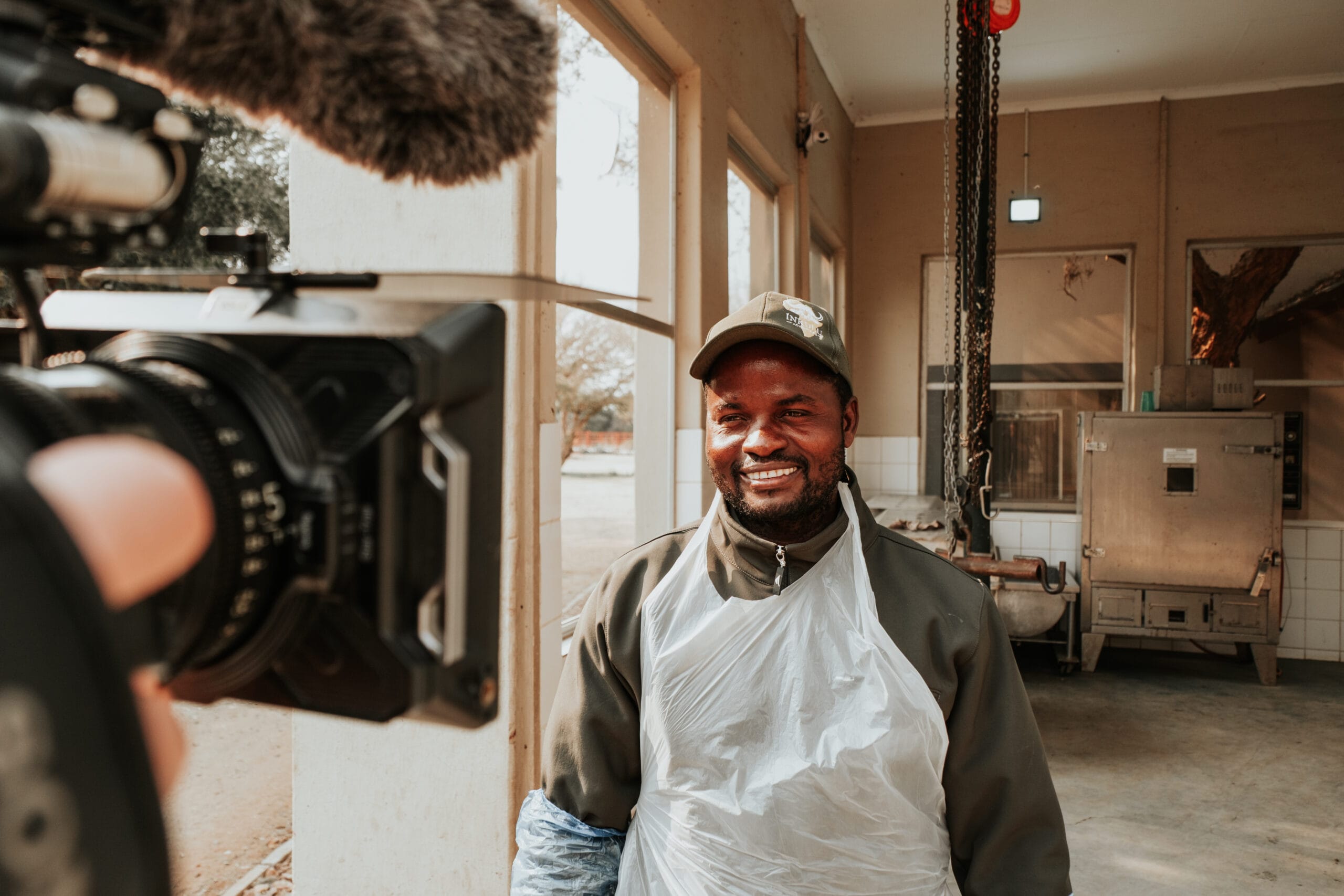
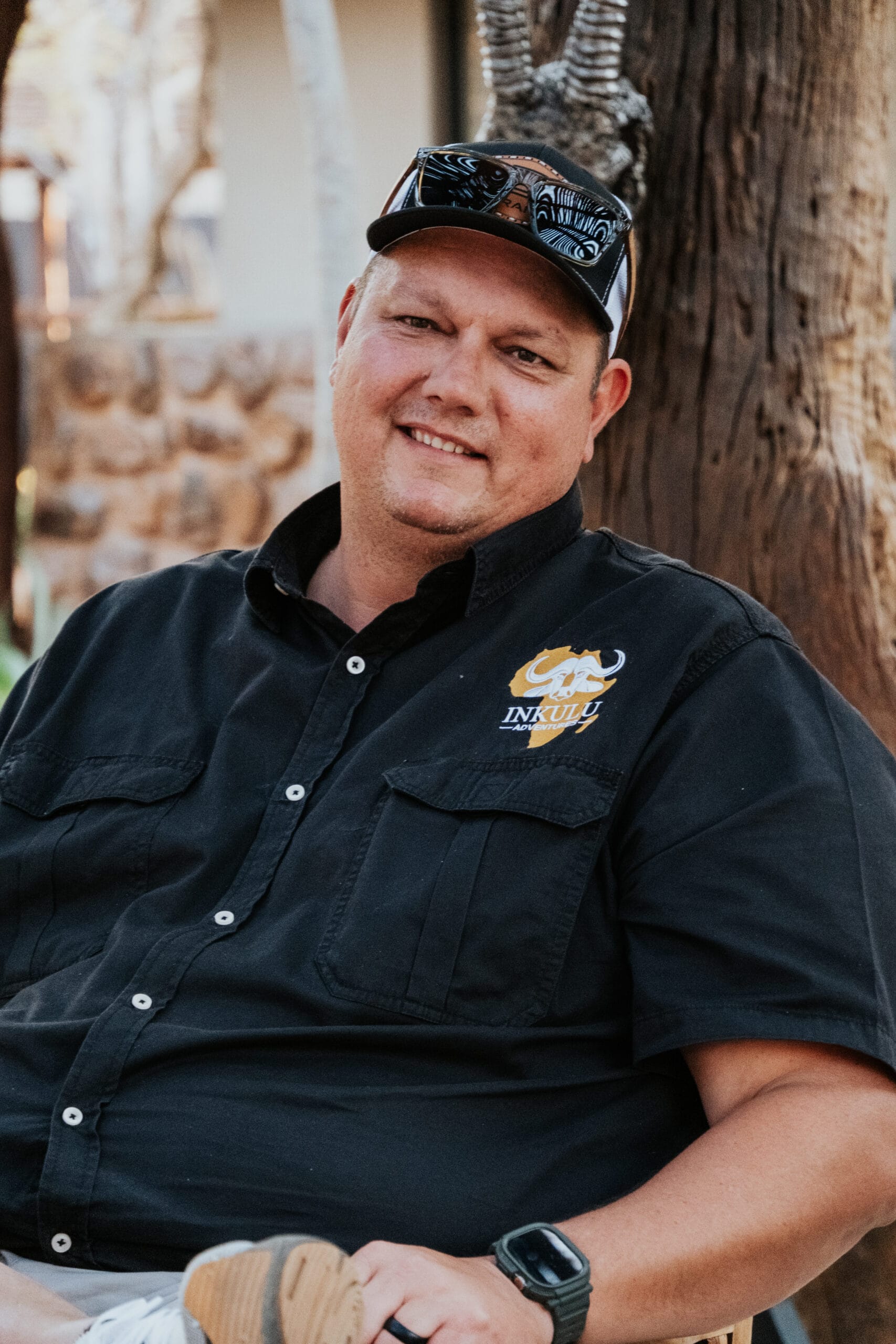
Inkulu challenges one of the most common misconceptions surrounding hunting by revealing the people, wildlife, and communities whose lives are changed long after the trigger is pulled. Set against the backdrop of South Africa, the film follows Ruan and Marlize as they demonstrate how ethical hunting reaches far beyond conservation, creating lasting opportunities for both wildlife and people.
This isn’t a film about hunting. It’s a film about impact. It’s about what happens when conservation dollars remain in the landscape, when wildlife becomes valuable enough to protect, and when hunting directly supports the people who live alongside it. If we’re ever going to have an honest conversation about hunting, we have to look beyond the optics and examine the outcomes.
This is that story.


Conservation Begins With People
At Inkulu, wildlife conservation and community development are inseparable.
Every ethical hunt helps protect habitat, sustain wildlife populations, and generate revenue that is intentionally invested back into the surrounding communities. Those investments provide employment, strengthen local businesses, and create opportunities that extend far beyond the boundaries of the property.
For Ruan and Marlize, hunting has never been the final objective. It is simply the mechanism that makes everything else possible. The result is a model where conservation succeeds because local people benefit from healthy wildlife populations, ensuring both can thrive together for generations.
Beyond Food Security
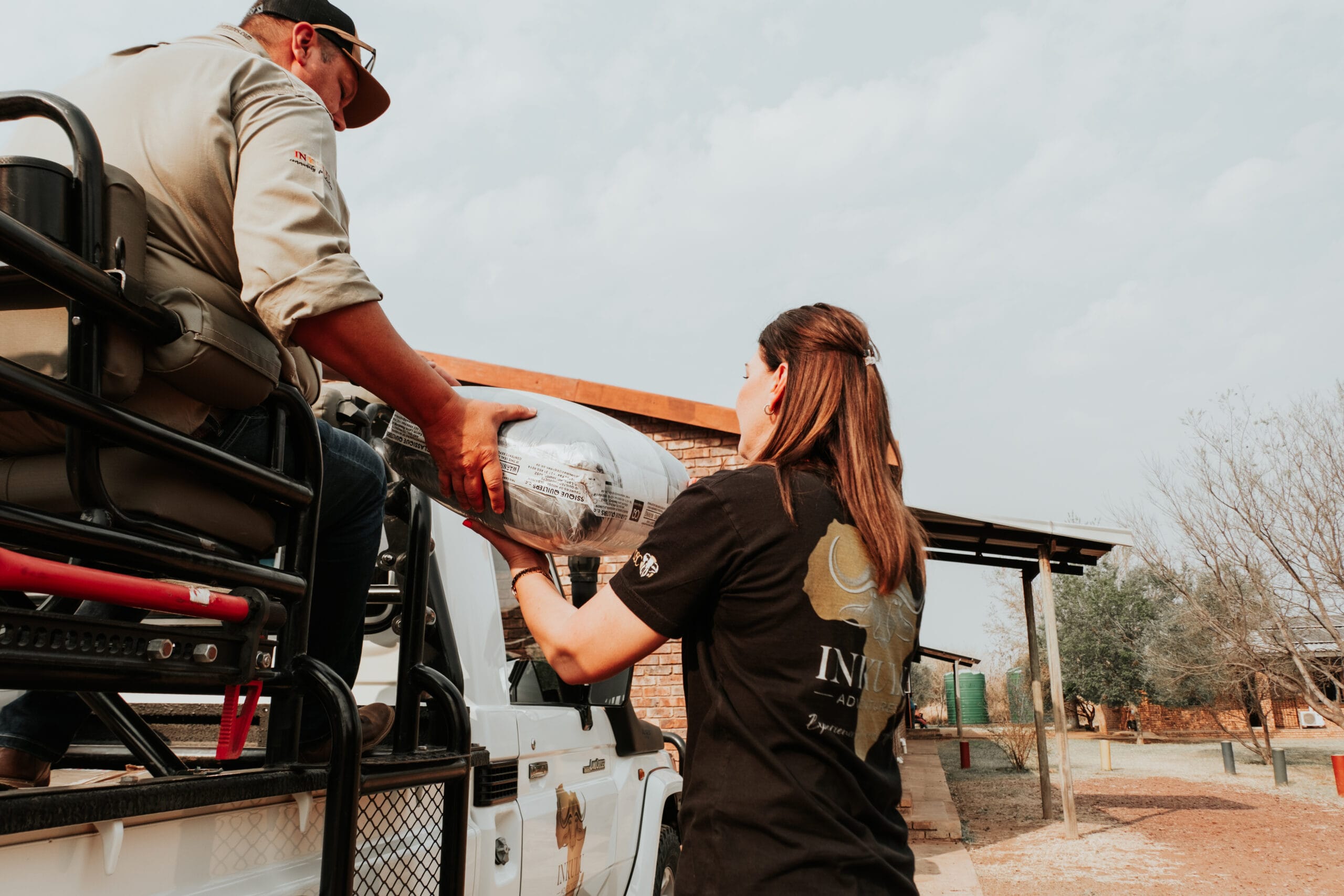
One of the most powerful stories in Inkulu unfolds far from the hunting field. Each year, approximately eight tonnes of venison harvested through ethical hunts are donated to a local orphanage and soup kitchen, providing nutritious meals for more than 200 children every day. But the support doesn’t stop with food.
Hunting revenue also provides:
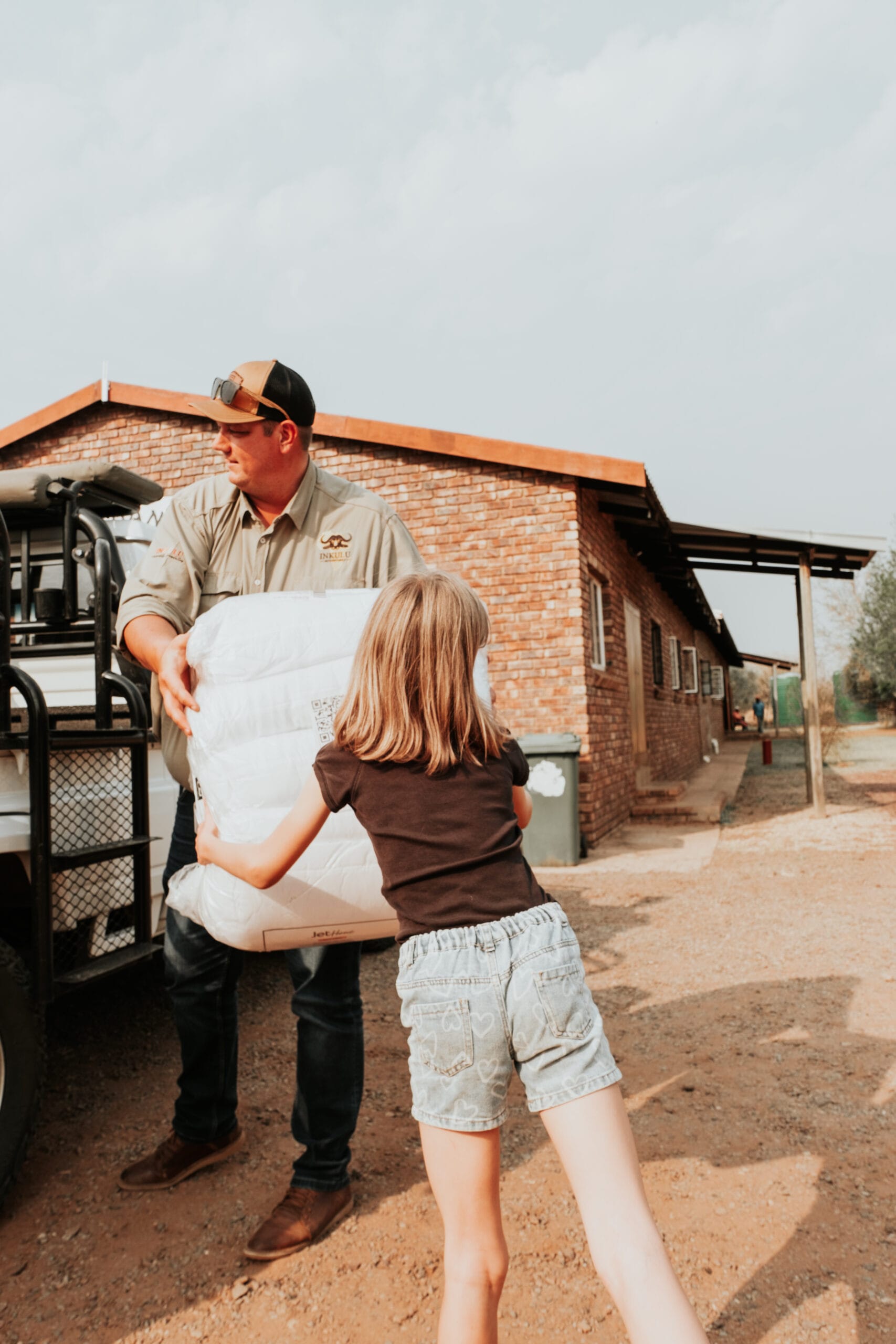
- Clothing and bedding for children
- Essential household supplies
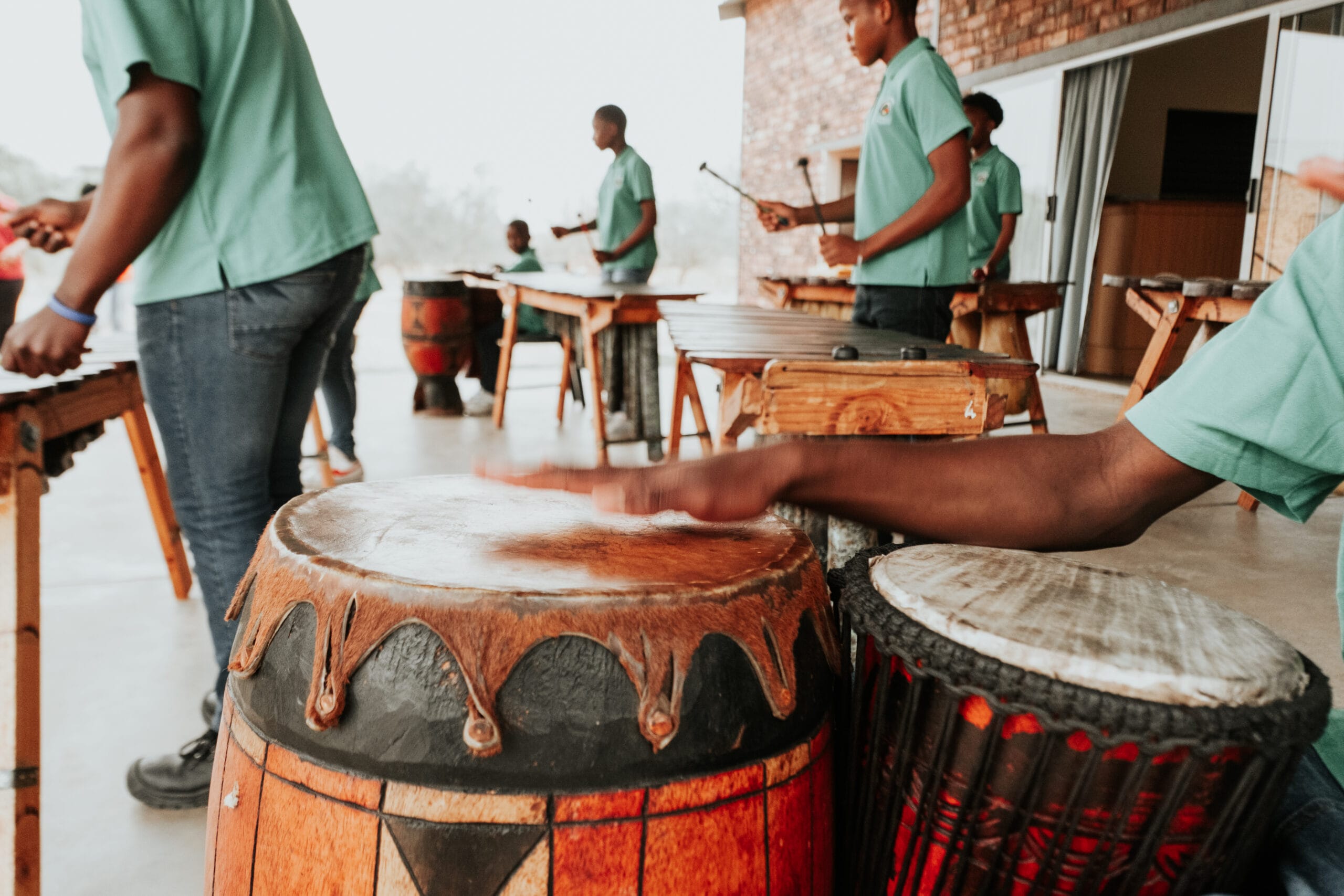
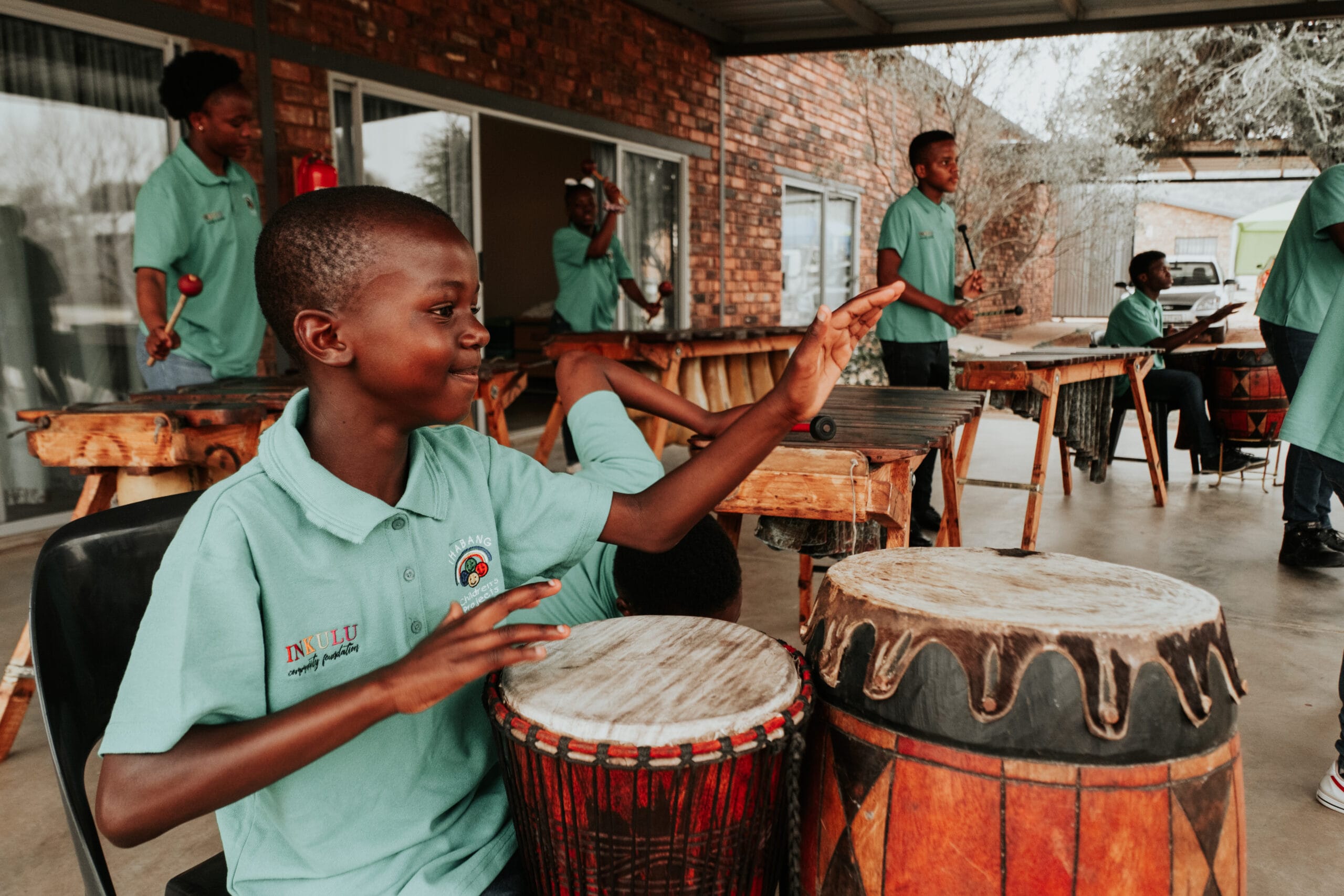
- Educational support
- Infrastructure improvements
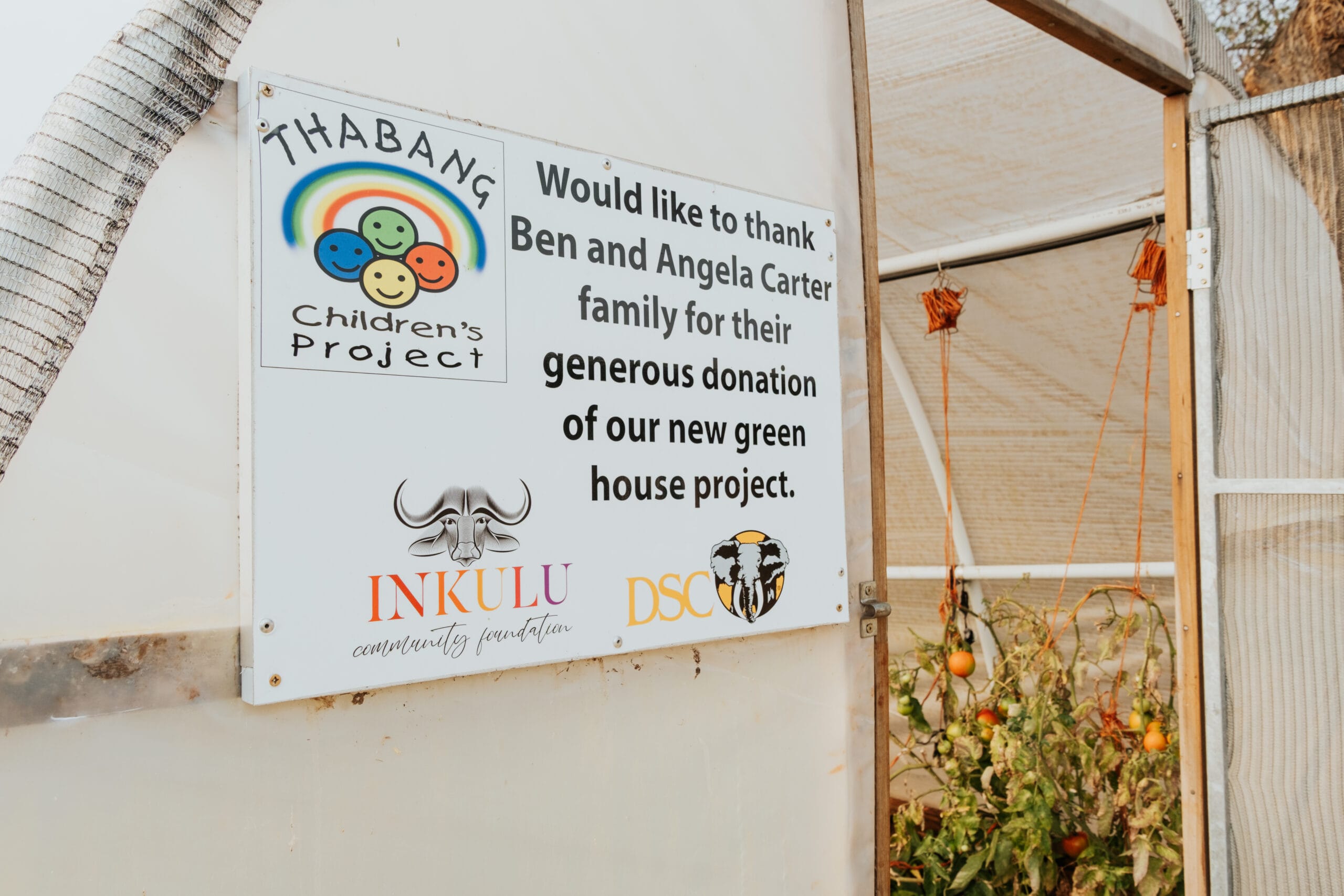
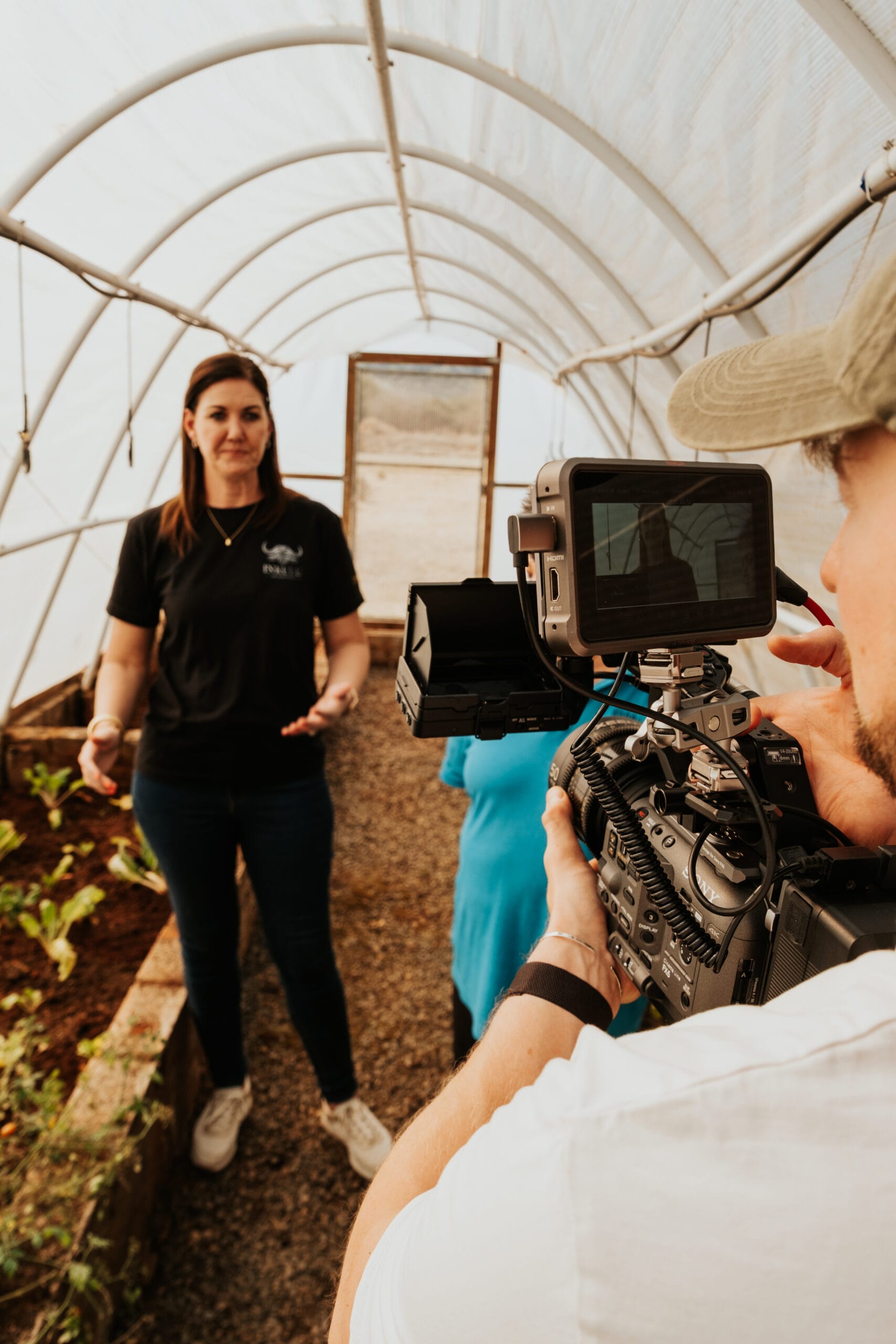
- A greenhouse that produces fresh vegetables year-round for the orphanage
Rather than creating short-term relief, these projects help build long-term resilience, allowing the community to become increasingly self-sufficient.
Conservation That Circulates
The impact of hunting extends well beyond charitable giving. Visiting hunters become active participants in conservation and community development by contributing supplies, funding local initiatives, purchasing goods from surrounding businesses, and witnessing firsthand how their hunts create meaningful change. Importantly, donations are intentionally spent within nearby towns whenever possible, ensuring that conservation dollars circulate through local businesses, support local employment, and strengthen regional economies. Every hunt generates a ripple effect that reaches families, schools, businesses, and conservation projects alike.
Changing the Narrative
The conversation surrounding hunting often begins—and ends—with a photograph.
Inkulu asks viewers to look deeper. Behind every ethical hunt is a network of conservation work, wildlife management, habitat protection, employment, education, food security, and community investment that rarely enters the public conversation. The film challenges both hunters and non-hunters to evaluate hunting not solely by the moment an animal is harvested, but by everything that follows. Because conservation is measured by outcomes. Not appearances.
Why This Story Matters
The future of conservation depends on honest conversations. As wildlife faces increasing pressure from habitat loss, human expansion, and limited funding, sustainable hunting continues to provide one of the few models capable of simultaneously protecting wildlife while improving human livelihoods. Inkulu demonstrates that when hunting is managed responsibly, its greatest legacy is not measured in trophies. It is measured in protected landscapes, thriving wildlife, stronger communities, and brighter futures for the people who call these places home. Because the true success of a hunt isn’t what is taken from the landscape— It’s what is given back.
DSC Foundation funded the conservation work of this project.