
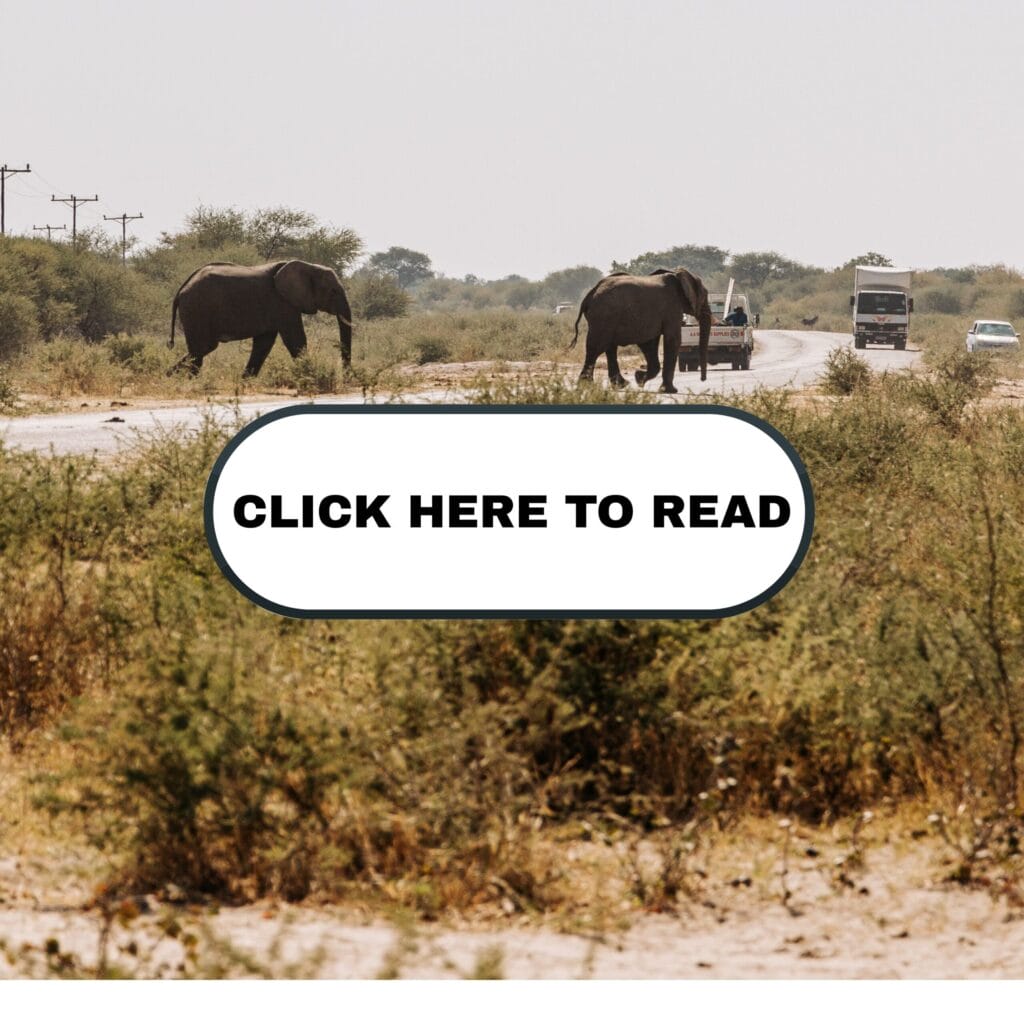
South Africa’s elephant management framework sits at the intersection of conservation, ecology, ethics, and law. While elephants are vital ecosystem engineers, they can also create significant challenges for biodiversity, private property, and human livelihoods. Despite the implementation of the 2008 Norms and Standards for Elephant Management and the 2016 Norms and Standards for Damage-Causing Animals, current policies often rely on arbitrary population targets or reactive management of individual “problem” elephants rather than addressing the ecological processes that drive elephant impacts.
This analysis examines how interventions such as culling, contraception, translocation, fencing, and water management frequently lack a clear scientific connection between the management action and its intended conservation outcome. It also explores how constitutional principles of rationality, proportionality, and administrative justice may expose current elephant management decisions to legal challenges when they are not supported by evidence-based objectives.
The authors advocate for a modern, adaptive approach to elephant conservation—one built on explicit management goals, ecological evidence, stakeholder collaboration, and a duty of care that promotes both ecosystem resilience and human-wildlife coexistence. By replacing rigid regulations with flexible, process-based guiding principles, South Africa can create an elephant management framework that is scientifically credible, ethically defensible, legally sound, and better equipped to conserve elephants and the landscapes they shape.