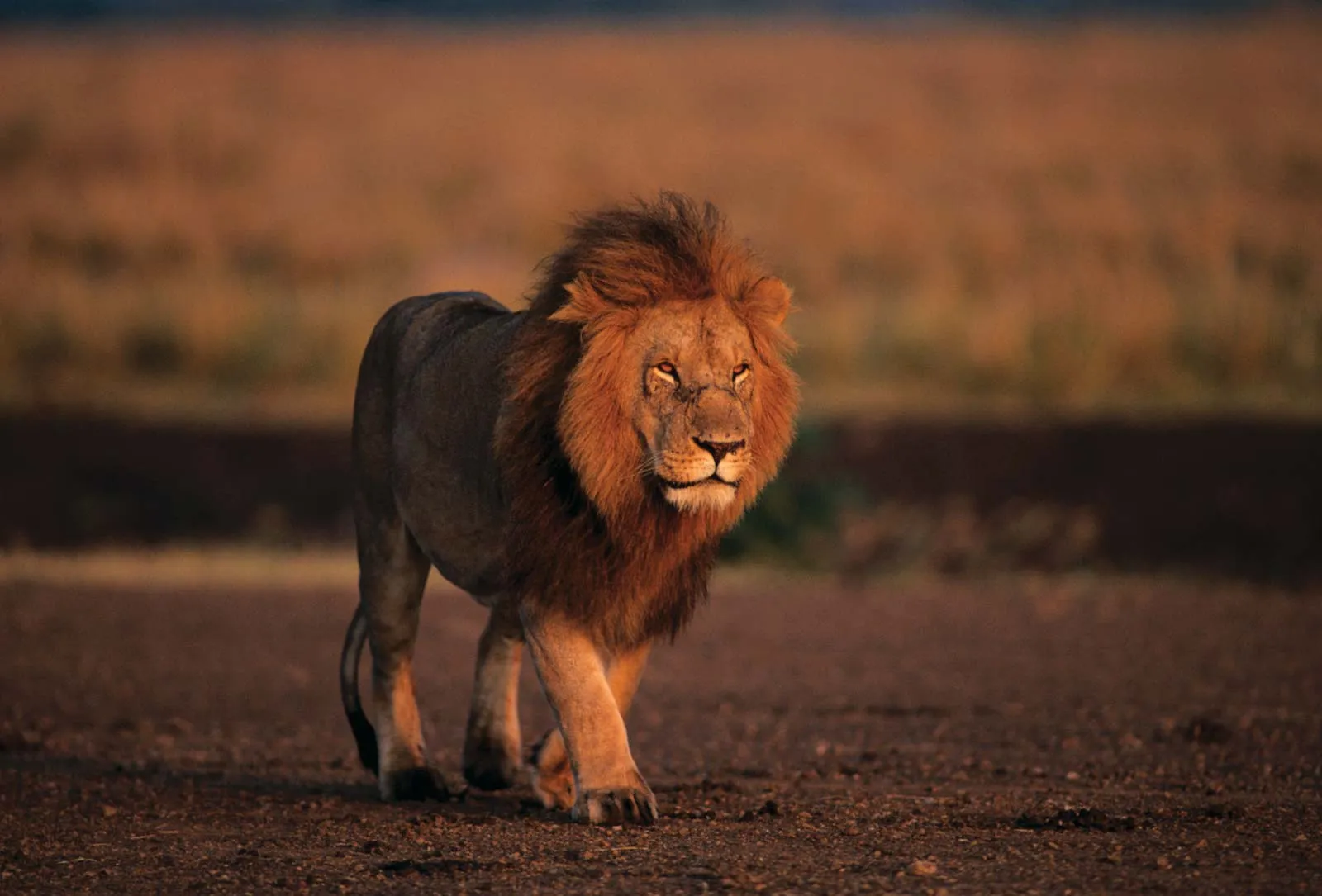

African lions are declining across much of their natural range due to habitat loss, fragmentation, and prey depletion. South Africa stands out as a success story. Through active, science-based management, the country has grown its wild lion population—primarily by managing lions as a meta-population across multiple small, fenced reserves.
A national review of 49 reserves (2010–2019) shows that these lion populations meet established meta-population criteria. Carefully managed translocations between reserves maintain genetic health, support natural pride dynamics, and ensure long-term population stability. This approach mirrors successful conservation strategies already used for cheetahs and African wild dogs.
However, current success has been driven by ad hoc management, not a fully coordinated system. Improving coordination—without overregulation—would increase conservation efficiency, reduce risks like prey depletion and genetic mismanagement, and strengthen outcomes for both wildlife and landowners.
Key conservation recommendations include:
- Coordinated national meta-population guidelines
- Regular audits and updated management plans
- Genetic evaluations every 10 years
- Incentives for private and public reserve participation
- Improved data sharing and decision-making frameworks
This model highlights how responsible wildlife management, private land stewardship, and regulated intervention can sustain iconic species like lions in fragmented landscapes. South Africa’s approach offers a practical blueprint for lion conservation across Africa—balancing ecological integrity, genetic health, and human land use.
Managed meta-populations, when done right, keep lions on the landscape and conservation working.